

Dactylopius coccus
- noun
- /ˌdæktəˈloʊpiəs ˈkɑːkəs/
- Specialized
- Farmers in Mexico have cultivated Dactylopius coccus for centuries to produce cochineal dye.
Examples
-
The brilliant red coloring came from Dactylopius coccus collected on prickly pear cacti.
-
Many artists in the Renaissance preferred the pigment derived from Dactylopius coccus.
-
The Dactylopius coccus is essential for producing cochineal dye.
-
Did you know that Dactylopius coccus feeds on cacti?
-
Farmers in Mexico have cultivated Dactylopius coccus for centuries to produce cochineal dye.
-
Many artists in the Renaissance preferred the pigment derived from Dactylopius coccus.
-
The brilliant red coloring came from Dactylopius coccus collected on prickly pear cacti.
Synonyms


 1
9.9
1
9.9
A small insect from Mexico that lives on cactus plants and is used to make red dye
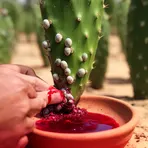
A small Mexican insect that lives on cactus plants and makes a red dye
Surface Forms
Morphology
This is a Linnaean binomial (a scientific species name) rather than a compositional English phrase. If a learner already knows 'Dactylopius' as the cochineal-producing insect they could infer it refers to that species, but understanding requires knowledge of taxonomic naming conventions and the second element 'coccus' (given here as a bacterium term) does not transparently contribute the species meaning. Because comprehension depends on specialized knowledge rather than ordinary compositional rules, the expression is only partly predictable to a B1 learner.
Etymology
Dactylopius coccus is the scientific name for tiny red insects that live on prickly pear cacti. People long ago collected and crushed these bugs to make a bright, natural 'cochineal' dye, so the name is linked to the famous red color used in cloth and paint today.