
Canadian fleabane
- noun
- /kəˈneɪdiən ˈfliːbeɪn/
- US
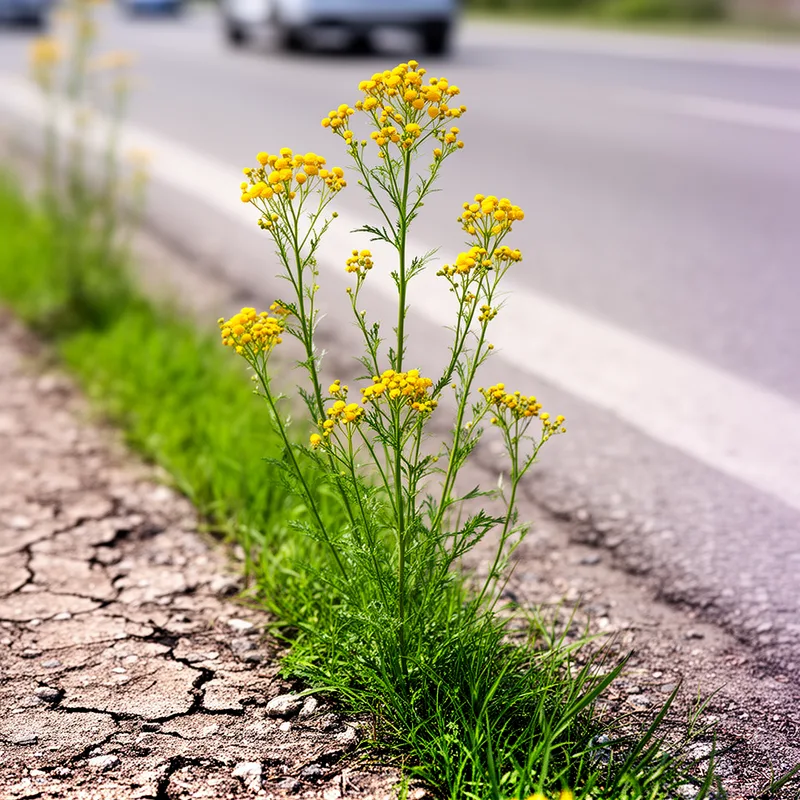
- The yellowish flower heads of Canadian fleabane appear in late spring and attract various pollinators.
Examples
-
The Canadian fleabane is often found in gardens.
-
Many people consider the Canadian fleabane a nuisance.
-
Canadian fleabane is commonly seen growing along roadsides throughout the summer.
-
Some gardeners consider Canadian fleabane to be an invasive species in their flower beds.
-
The yellowish flower heads of Canadian fleabane appear in late spring and attract various pollinators.
-
Some gardeners consider Canadian fleabane to be an invasive species in their flower beds.
-
Canadian fleabane is commonly seen growing along roadsides throughout the summer.
Synonyms

A tall weed from North America that lives for one year and has narrow leaves and small yellow flower heads

A common weed with narrow leaves and small yellow-green flowers that grows along roads and fields

A tall weed with narrow leaves and small yellow flowers that grows in fields and by roads
Surface Forms
Morphology
This is a straightforward adjective + noun combination: 'Canadian' (from Canada) modifies 'fleabane' (a type of weed), so the phrase simply denotes a fleabane associated with Canada. The meaning is literal and follows standard cross-linguistic adjective-noun composition, so a B1 learner who knows both constituents will understand it.
Etymology
Canadian fleabane gets its name from an old belief: people thought the plant would keep fleas away, so they called it fleabane, literally 'to ban' fleas, and added Canadian because it was common in North America. That's why the name now refers to the common roadside weed with small yellowish flowers.

