

Arenaria
- noun
- /ˌɛrɪˈnɛəriə/
- Specialized
- In the rocky garden, the Arenaria added a splash of color with its delicate pink flowers.
Examples
-
The small Arenaria plants bloomed brightly in the sandy soil of the coastal dunes.
-
Visitors admired the Arenaria growing in the sandy areas of the nature reserve.
-
Here, European beach grass (Ammophila arenaria), introduced to stabilize inlet shorelines, spread rapidly and created a higher, more linear, better-vegetated foredune than existed previously.
Academic text (1990)
Synonyms
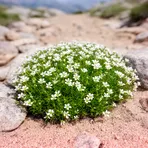
A low plant with small white flowers that grows in sandy or rocky places
Compounds
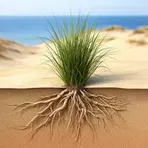
- Specialized
A grass-like plant that grows in sand near the sea and helps hold sand on dunes

- Specialized
A small, low flowering plant that forms soft round clumps on cold mountain and northern tundra slopes

- Specialized
A shore bird that breeds in the Arctic and winters in South America or Australia
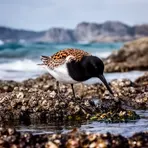
- Specialized
A shorebird with a black head and mottled brown feathers that lives on the Pacific coast of North America
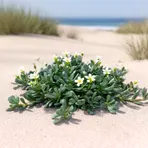
- Specialized
A low plant with thick leaves that store water that grows on sandy shores and has small single flowers

- Specialized
A small low wild plant with tiny white flowers that grows close to the ground

- Specialized
A dune grass that grows on Pacific beaches to hold sand and stop erosion

- Specialized
A flowering plant with unusual flowers and seed pods that grows in dry places
- Specialized
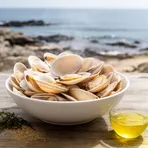
An edible clam with a thin oval shell that lives on coasts and is called the soft-shell clam
Surface Forms
Etymology
Arenaria comes from the Latin arena 'sand' and the ending -aria 'connected to'. It names small plants that often grow in sandy or rocky ground, so the word reminds us they are 'sand plants' that like dry, sandy places.

