

Arenaria
- noun
- /ˌɛrəˈnɛəriə/
- Specialized
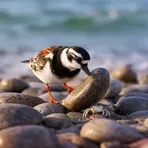
- The Arenaria can be identified by its unique behavior of turning over pebbles on the shore.
- Arenaria mya
Examples
-
The same flats contained commercial quantities of softshell clams, Mya arenaria, and, at times, from 100 to 200 diggers worked there, leaving the grounds uneven.
Academic text (1996) -
The Arenaria are often seen flipping over stones at the beach in search of hidden insects.
-
During our coastal hike, we spotted several Arenaria searching for food among the tide pools.
Synonyms


 1
9.0
1
9.0
A small bird that lives by the sea and flips stones to find food
Compounds
- Specialized
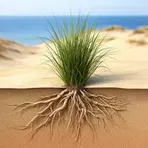
A grass-like plant that grows in sand near the sea and helps hold sand on dunes

- Specialized
A small, low flowering plant that forms soft round clumps on cold mountain and northern tundra slopes

- Specialized
A shore bird that breeds in the Arctic and winters in South America or Australia
- Specialized
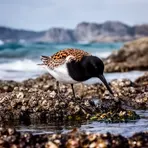
A shorebird with a black head and mottled brown feathers that lives on the Pacific coast of North America
- Specialized
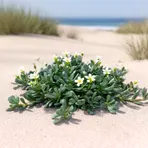
A low plant with thick leaves that store water that grows on sandy shores and has small single flowers

- Specialized
A small low wild plant with tiny white flowers that grows close to the ground

- Specialized
A dune grass that grows on Pacific beaches to hold sand and stop erosion

- Specialized
A flowering plant with unusual flowers and seed pods that grows in dry places
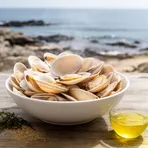
- Specialized
An edible clam with a thin oval shell that lives on coasts and is called the soft-shell clam
Surface Forms
Etymology
Arenaria comes from the Latin arena 'sand' and the ending -aria 'connected to'. It was given to these shore birds because they live on sandy coasts and flip stones and sand to find food, so the name links to their beach life.