

Aculeata
- noun
- /əˈkuːliˌɑːtə/
- Specialized
- The Aculeata are fascinating insects.
Examples
-
Many Aculeata species are known for their complex social structures.
-
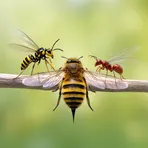
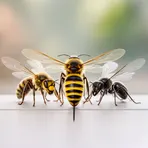
Bees, wasps, and ants are all part of the Aculeata group, which is known for their stingers.
-
The scientist studied an Aculeata colony to learn more about their social behavior.
-
Many gardeners are careful around Aculeata because of their painful stings.
-
A single Aculeata can defend itself with its sharp stinger if threatened.
-
The Aculeata include many important pollinators, such as honeybees and bumblebees.
-
Studying the Aculeata helps scientists understand their role in ecosystems and agriculture.
Synonyms

 1
9.9

A large group of insects like bees, wasps, and ants with two pairs of thin wings, often with a stinger

 1
9.9
An insect like a bee, wasp, or ant with two pairs of thin wings and sometimes a stinger
 1
8.2
An insect like a bee, wasp, or ant with two pairs of thin wings, often with a sting
Compounds


- Specialized
1
9.9
A small tree with sharp thorns and yellow-orange flowers that people grow in warm gardens or as hedges

- Specialized
1
9.9
A small spiny tree from tropical islands with sticky fruits that cling to birds and animals

- Specialized
A woody climbing plant from the West Indies with spiny stems, fragrant white flowers and small orange fruits
Surface Forms
Etymology
Aculeata comes from the Latin word aculeatus, from aculeus which means 'small needle' or 'stinger'. So an Aculeata is an insect that has a sharp stinger, like a tiny needle, which helps you remember its meaning.