
A.D.
 32
2.8

- adverb
- /ˌeɪˈdi/
- The Roman Empire fell in A.D. 476.
Examples
-
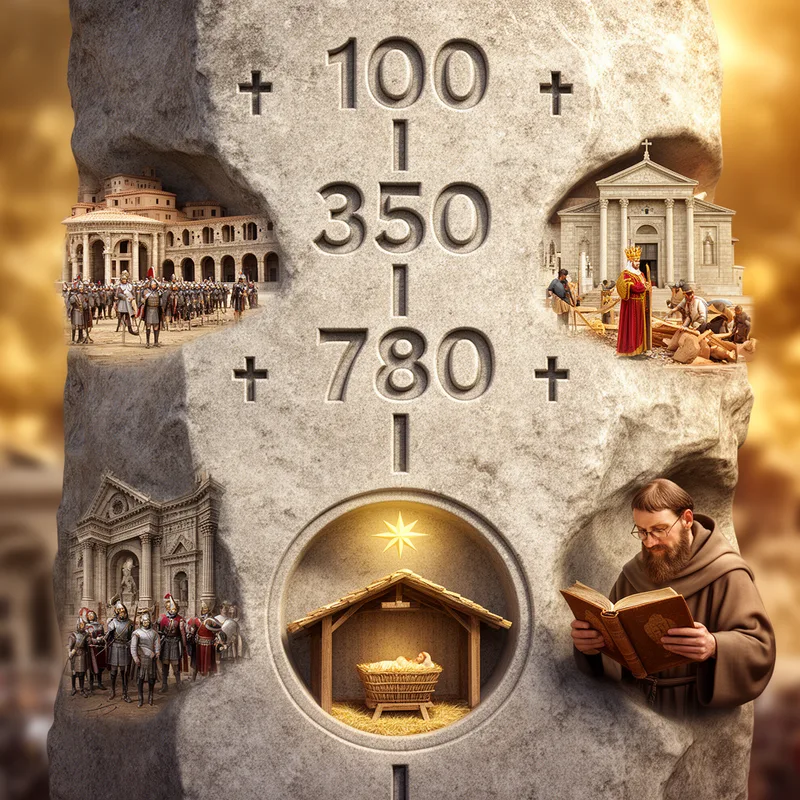
The manuscript dates back to A.D. 780, making it over a thousand years old.
-
The Roman Empire was at its peak around A.D. 100.
-
The temple was constructed in A.D. 350 by the local king.
-
In A.D. 1000, many believed the world would end.
-
The manuscript dates back to A.D. 780, making it over a thousand years old.
-
The Roman Empire was at its peak around A.D. 100.
-
In A.D. 1000, many believed the world would end.
Synonyms
 28
1.0
Put before a year to show it is after the birth of Jesus
 6
4.2
Years counted from year 1 in the calendar used today
 6
8.2
The year in the Christian calendar used when writing dates like AD 1865
 2
3.9
Used to mark years in the Common Era, like A.D


 1
9.5
A year counted since the birth of Jesus, used in formal or historical dates

To show a year is after the birth of Christ
Surface Forms
Etymology
A.D. comes from the Latin phrase Anno Domini, which means 'in the year of the Lord'. So, when we put A.D. before a year we are counting years 'in the year of the Lord', that is, from the traditional birth of Jesus.