
zinc vitriol
- noun
- /zɪŋk ˈvaɪtriˌɔl/
- Archaic
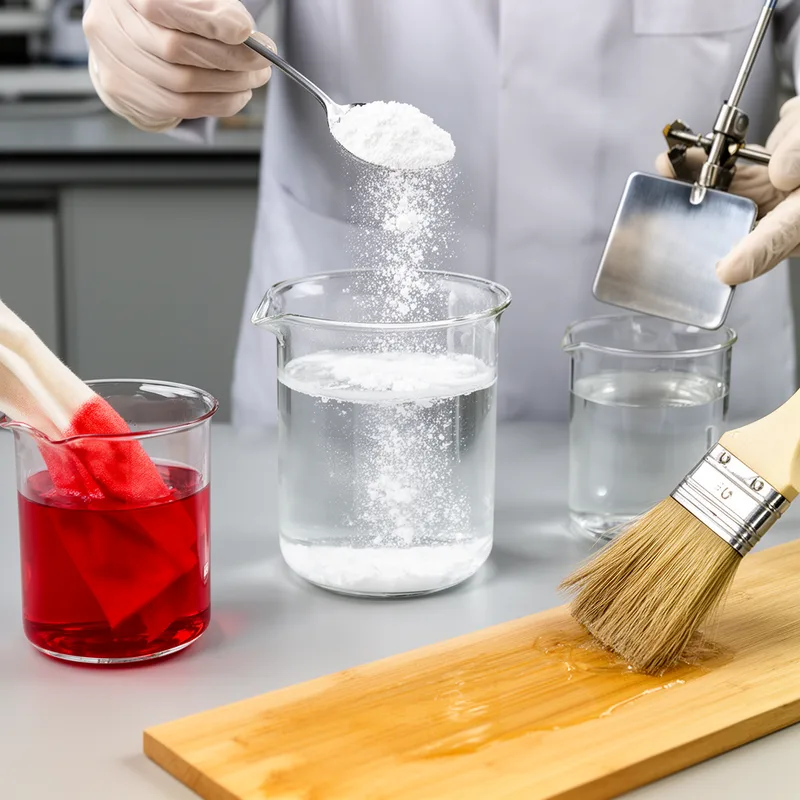
- In textile dyeing, zinc vitriol acts as an effective mordant.
Examples
-
The wood was treated with zinc vitriol to protect it from decay.
-
They used zinc vitriol in the electrodeposition process at the factory.
-
The artist used zinc vitriol for his watercolor paintings.
-
Many woodworkers prefer zinc vitriol as a preservative.
-
In textile dyeing, zinc vitriol acts as an effective mordant.
-
The wood was treated with zinc vitriol to protect it from decay.
-
They used zinc vitriol in the electrodeposition process at the factory.
Synonyms

A colorless powder that dissolves in water and is used to dye cloth, protect wood, and plate metal

A white powder that dissolves in water used to protect wood and deposit zinc on metal
Surface Forms
Morphology
zinc + vitriol
The compound denotes the zinc salt associated with 'vitriol' (i.e., zinc sulfate), so its meaning is compositionally derived from 'zinc' (the metal) + 'vitriol' (the acid/salt); a learner who knows both constituent meanings can infer the chemical sense. Note that 'vitriol' is a technical/archaic term many learners may not know, but given knowledge of that word the compound is transparent.
Etymology
Zinc vitriol gets its name from the old word vitriol for sulfate salts that formed shiny, glass-like crystals, so the phrase once meant the glassy sulfate of zinc. That's why today zinc vitriol is another name for 'zinc sulfate', a powder that dissolves in water and is used to fix dyes, protect wood, or plate metal.

