
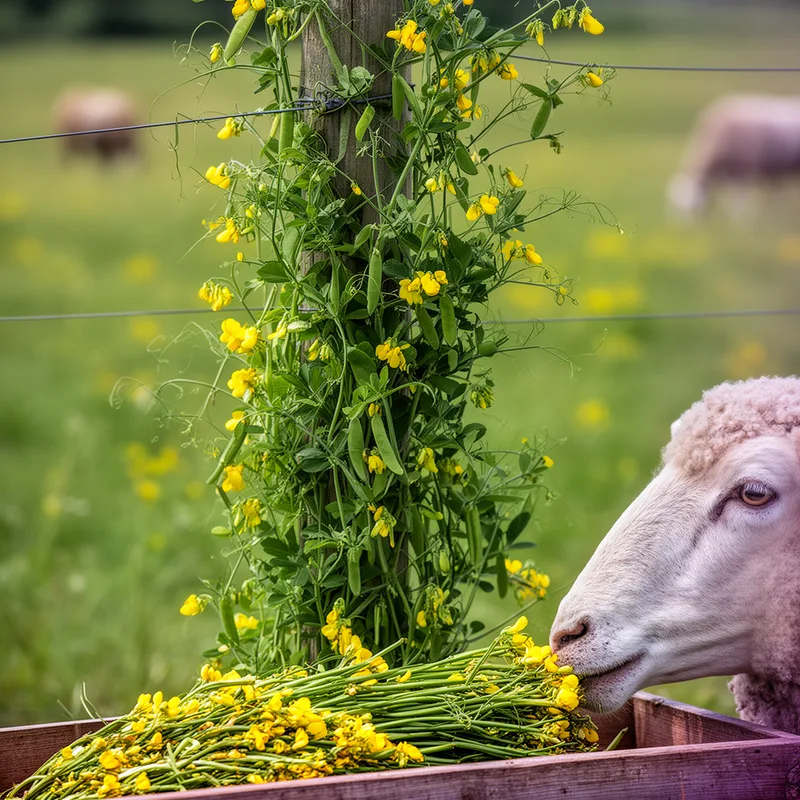
yellow vetchling
- noun
- UK
- Botanists identified the plant as yellow vetchling due to its distinctive yellow flowers and pea-like pods.
Examples
-
Farmers sometimes grow yellow vetchling as a forage crop for its nutritional seeds.
-
The meadows were dotted with yellow vetchling, adding a splash of color to the greenery.
-
The yellow vetchling grows abundantly in the wild.
-
Farmers often plant yellow vetchlings for their livestock.
-
Farmers sometimes grow yellow vetchling as a forage crop for its nutritional seeds.
-
The meadows were dotted with yellow vetchling, adding a splash of color to the greenery.
-
Botanists identified the plant as yellow vetchling due to its distinctive yellow flowers and pea-like pods.
Synonyms
A creeping wild pea with yellow flowers that farmers grow for animal food
A small wild plant with yellow flowers that farmers grow for animal feed

A wild pea plant with yellow flowers and flat seed pods often grown for animal food
Surface Forms
Morphology
The meaning is directly composed from 'yellow' (a color) modifying 'vetchling' (a small climbing plant), forming a basic adjective–noun descriptive phrase. This simple, cross-linguistically common modification pattern makes the referent predictable to a B1 learner who knows both constituents.
Etymology
The name yellow vetchling comes from a simple picture: yellow for its bright flowers and vetchling for a small 'vetch', a pea-like plant. So the name literally shows a small yellow vetch and helps you remember it is a little, pea-like wild plant often grown for animal feed.

