

common vetchling
- noun
- UK
- She identified the common vetchling by its slender stems and distinctive yellow flowers.
Examples
-
The field was dotted with bright yellow common vetchling among the tall grass.
-
Farmers sometimes grow common vetchling as a forage crop for livestock.
-
The common vetchling blooms beautifully in spring.
-
Farmers often plant common vetchlings for animal feed.
-
Farmers sometimes grow common vetchling as a forage crop for livestock.
-
The field was dotted with bright yellow common vetchling among the tall grass.
-
She identified the common vetchling by its slender stems and distinctive yellow flowers.
Synonyms
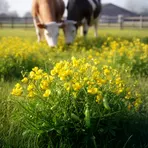
A small wild plant with yellow flowers that farmers grow for animal feed
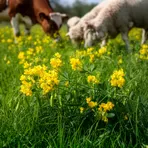
A creeping wild pea with yellow flowers that farmers grow for animal food

A climbing plant like a pea with small yellow flowers used for animal feed
Surface Forms
Morphology
The phrase is a straightforward composition: 'vetchling' denotes a small vetch plant and 'common' simply qualifies it as a typical/widespread variety, so the referent (a commonly occurring vetchling species) is directly inferable. This follows normal adjective+noun naming patterns (including plant names) and would be understandable to a B1 learner who already knows the constituent words.
Etymology
Common vetchling comes from simple word parts. vetch is a wild 'pea' plant, -ling means 'small' or 'young', and 'common' means found in many places. So the name shows it is a small, widespread pea-like plant often grown for 'animal food'.

