

yellow chestnut oak
- noun
- /ˈjɛloʊ ˈʧɛstnʌt oʊk/
- US
- The yellow chestnut oak is valued by furniture makers for its tough timber.
Examples
-
Several yellow chestnut oaks flourish along the Appalachian trails, providing habitat for wildlife.
-
Botanists studied the distinctive leaves of the yellow chestnut oak during their field research.
-
The yellow chestnut oak is a beautiful tree.
-
Many yellow chestnut oaks grow in the park.
-
The yellow chestnut oak is highly regarded for its durable wood, making it a popular choice for construction.
-
In autumn, the leaves of the yellow chestnut oak turn a bright golden hue, attracting many visitors to the forest.
-
Environmentalists promote planting yellow chestnut oaks to enhance biodiversity in their native habitats.
Synonyms
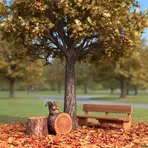
A medium-sized tree that loses its leaves, makes acorns and has strong wood
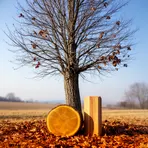
A medium-sized tree that loses its leaves in winter and has strong, hard wood

A medium to large tree that loses its leaves in winter and has strong wood used for furniture

A North American oak tree with leaves like a chestnut and dark, deeply ridged bark
Surface Forms
Morphology
The phrase is compositionally built from easily understood parts: 'oak' names the tree, 'chestnut' marks a variety or likeness to chestnut, and 'yellow' specifies a color trait; together they denote a particular type of oak with chestnut-like characteristics and a yellowish aspect. This follows common botanical naming patterns that are cross-linguistically familiar, so a B1 learner who knows the constituent words can readily infer the meaning.
Etymology
Yellow chestnut oak comes from how the tree looks: its nuts and leaves can remind people of a chestnut and its leaves or bark can look yellow, so people joined yellow, chestnut, and oak to name it. That's why the name means 'a medium-sized oak with chestnut-like features'.

