
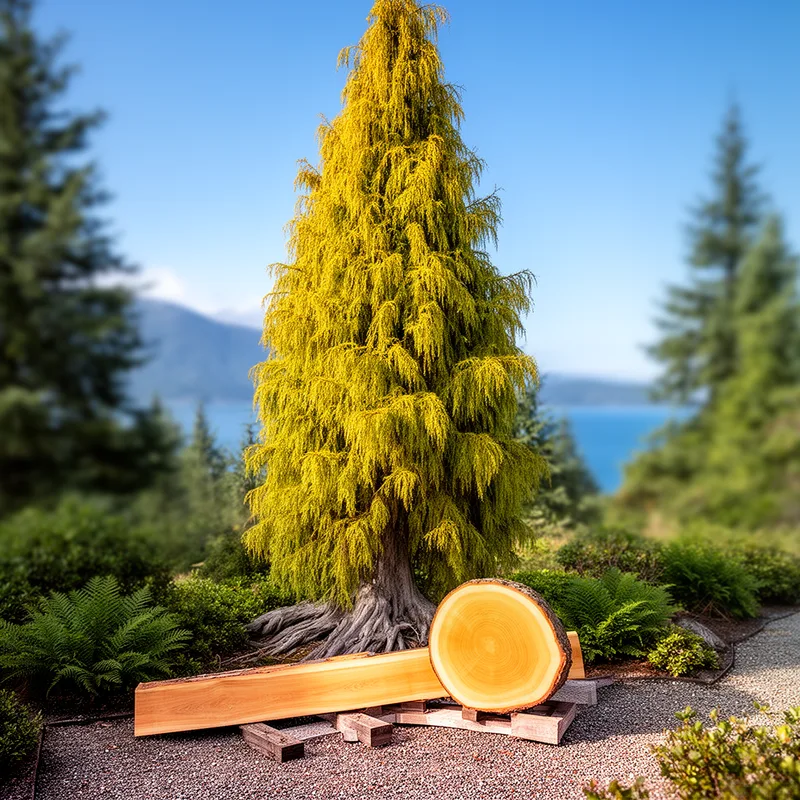
yellow cedar
- noun
- /ˈjɛloʊ ˈsiːdər/
- US
- Many builders prefer using yellow cedar for outdoor furniture because of its resistance to decay.
- Alaskan yellow cedar
Examples
-
Many parks in British Columbia feature majestic yellow cedar trees lining the trails.
-
The wood of yellow cedar is highly valued for its durability and resistance to decay.
-
Gardeners often plant yellow cedar for its attractive foliage and graceful shape.
-
The yellow cedar grows well in coastal areas.
-
Many gardeners prefer yellow cedars for their beauty.
-
The yellow cedar is popular for landscaping due to its attractive foliage and durability.
-
In coastal areas, yellow cedar provides excellent shelter for various wildlife species.
Synonyms
A tall evergreen tree from the Pacific coast of North America often planted for its wood and beauty
A tall evergreen tree from the Pacific coast grown for shade and for its long-lasting, fragrant wood
A tall coastal tree called Alaska cedar that keeps green leaves all year and is often planted for decoration
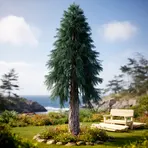
A tall evergreen tree from the Pacific coast of North America often grown in gardens
Surface Forms
Morphology
The noun phrase 'yellow cedar' is a simple adjective + noun composition where 'yellow' modifies 'cedar', so the meaning (a type/kind of cedar that is yellow or has yellowish characteristics) is directly derivable from the constituents. This adjectival compounding pattern is cross-linguistically common and follows standard English composition, so a B1 learner who knows both words will readily understand it.
Etymology
The noun yellow cedar comes from the tree's pale, yellowish 'wood' and its cedar-like look, so people put the words yellow and cedar together to name it. So today yellow cedar means this tall evergreen often planted in gardens and parks.

