

winter aconite
- noun
- /ˈwɪntər ˈækəˌnaɪt/
- In early spring, the bright yellow flowers of winter aconite often bloom before the last of the snow has melted.
Examples
-
The delicate winter aconite flowers brightened the garden long before any other blooms appeared.
-
Many gardeners plant winter aconites for their vibrant color.
-
Even while snow still covered the ground, winter aconite pushed through with its cheerful yellow blossoms.
-
Gardeners often plant winter aconite for its ability to herald the arrival of spring.
-
The winter aconite is one of the first flowers to bloom.
-
The winter aconite is a cheerful plant that can brighten any garden with its early spring blossoms.
-
Gardeners appreciate how winter aconite can provide vibrant color in the landscape while other plants are still dormant.
Synonyms
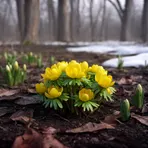
A small plant that comes back each year with bright yellow flowers in early spring
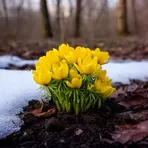
A small plant with bright yellow flowers that blooms in early spring
Surface Forms
Morphology
The noun-noun compound is directly compositional: 'winter' specifies the seasonal association of 'aconite', so the phrase denotes an aconite that appears in or around winter/early spring. This follows a common, cross-linguistically transparent pattern (season + plant), so a B1 learner who knows both constituents can infer the MWE's meaning.
Etymology
Winter aconite may come from a simple picture: winter because it often pushes up and blooms while snow still covers the ground, and aconite because its small yellow flowers reminded people of other 'aconite' plants. That's why the name helps you remember a tiny plant that appears very early, often before the snow melts.

