
windward position
- noun
- /ˈwɪndwərd pəˈzɪʃən/
- When setting up camp, always choose a windward position to avoid smoke blowing into your tent.
Examples
-
Sailing instructors emphasize the importance of staying in a windward position during a race.
-
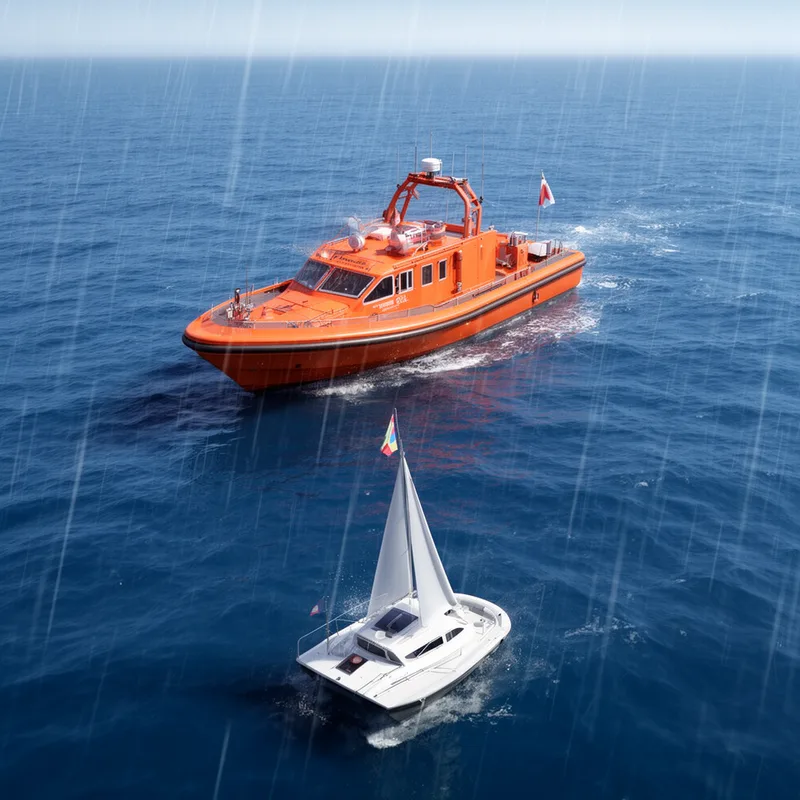
The rescue boat remained in a windward position to better approach the stranded vessel.
-
The windward position is important.
-
Stay in a windward position!
-
Sailing instructors emphasize the importance of staying in a windward position to harness the wind effectively.
-
The rescue boat remained in a windward position to avoid being pushed away by the waves.
-
When planning a picnic, it's wise to set up in a windward position so that the wind won't carry smoke from the fire toward the guests.
Synonyms

 3
7.0
3
7.0

The side from which the wind blows
 1
5.8
1
5.8
The side that faces the wind on a ship or land

A part of a ship or building that faces the wind
Antonyms

How Exposed


Surface Forms
Morphology
The meaning 'the side or location that faces toward the wind' is directly and transparently derived from combining 'windward' (exposed to or facing the wind) with 'position' (location). This is a literal adjective+noun spatial composition that follows regular English patterns and is cross-linguistically common, so learners who know both constituents will understand it.
Etymology
The phrase windward position comes from sailing and creates a simple picture: the windward side is where the wind hits first, like standing with the wind on your face. That's why it means 'the side or direction that faces the wind'.