whillikers

whillikers

9.9
A word people used long ago to show surprise
  • other
  • Archaic
translation icon : ¡vaya!
  • Well, whillikers! I never expected to see you here after all these years.

Examples

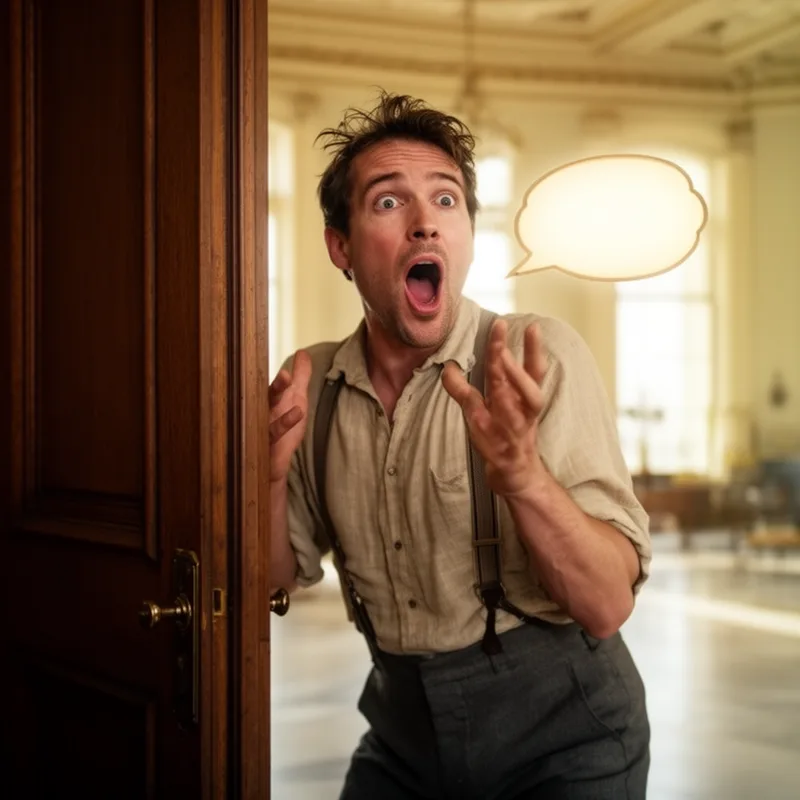
  • He opened the door and exclaimed, "whillikers! This room is enormous!"

  • When the magician pulled a rabbit from his hat, the children shouted, "whillikers!"

  • Whillikers! That was unexpected!

  • I just saw a shooting star, and I exclaimed, whillikers!

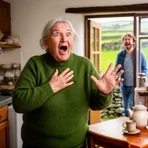
  • Well, whillikers! I never expected to see you here after all these years.

  • When the magician pulled a rabbit from his hat, the children shouted, "whillikers!"

  • He opened the door and exclaimed, "whillikers! This room is enormous!"

Synonyms

wow
vswhillikers
  • Informal
1.0

A short word people say to show surprise or admiration

is older and specifically signals astonishment rather than modern admiration
wha
vswhillikers
  • Informal
61 9.9

A short informal word people say to show surprise or ask someone to repeat

is an old fashioned astonishment expression rather than a request or confusion
holy shit
vswhillikers
  • Offensive
26 9.9

A strong phrase people say when they are very surprised or shocked

is the old fashioned astonishment term without this modern emotional force
golly
vswhillikers
  • Archaic
24 9.9

A word people say to show mild surprise

is similar but denotes simple astonishment not playful surprise
lordy
vswhillikers
  • Informal
17 9.4

A short informal cry showing surprise or strong feeling

is older and denotes plain astonishment rather than broader strong emotion
waah
vswhillikers
  • Informal
15 9.9

A short shout showing surprise or admiration

is older in tone and stresses astonishment over casual admiration
woah
vswhillikers
  • Informal
14 8.8

A short cry people use to show surprise or amazement

is old fashioned and more tied to astonishment than disbelief
wah
vswhillikers
  • Informal
14 9.9

A short cry showing surprise or excitement

is old fashioned and more about astonishment than contemporary admiration
yow
vswhillikers
  • Informal
13 9.9

A short cry said to show surprise, excitement, or sudden pain

is focused on astonishment without referring to pain or discomfort
holy cow
vswhillikers
  • Informal
8 7.6

A short phrase people say to show surprise or disbelief

is older and more traditional, focusing on astonishment
goodness gracious
vswhillikers
  • Archaic
5 7.5

A short phrase people say to show surprise or shock

is older in tone and specifically means astonishment rather than mere politeness
gawd
vswhillikers
  • Slang
4 9.9

A short informal word people say when they feel surprise, shock, or annoyance

is the older astonishment form without the informal modern stress
blimey
vswhillikers
  • UK
4 9.5

A short word people say when they are surprised or shocked

is more old fashioned in tone and focused on astonishment
geesh
vswhillikers
  • Informal
2 9.9

An informal word people say to show surprise, annoyance, or that they do not believe something

is old fashioned and speaks of astonishment without annoyance
whammo
vswhillikers
  • Informal
2 9.9

A short shout showing sudden surprise or strong impact

is steadier astonishment without emphasis on physical impact or force
begod
vswhillikers
  • Archaic
1 9.9

A short old word people say to show surprise or strong feeling
is less oathlike and more simply astonished in tone
gor
vswhillikers
  • Archaic
1 9.9

An old word people say to show surprise or strong feeling

is a simpler astonishment expression without extra emphatic force
strewth
vswhillikers
  • Archaic
1 9.9

An old-fashioned word said to show surprise or strong feeling

is focused on astonishment without implying strong disbelief
begorra
vswhillikers
  • Archaic
1 9.9

An old Irish word said to show surprise or strong feeling

is plain astonishment without the regional agreement or emphasis use
crikey
vswhillikers
  • UK
1 9.9

A short informal word people say to show surprise or shock

is older and less informal emphasizing astonishment rather than modern shock
woa
vswhillikers
  • Informal
1 9.9

A short shout showing surprise or asking for attention

is older and focuses on astonishment rather than attention getting
egads
vswhillikers
  • Archaic
9.9

An old-fashioned shout said to show surprise or shock

is milder, focusing on astonishment rather than strong shock
zounds
vswhillikers
  • Archaic
9.9

An old word people say to show surprise or anger

is more neutral astonishment without the angry undertone
swounds
vswhillikers
  • Archaic
9.9

An old word people say to show surprise, anger, or shock

is the more common old fashioned astonishment without archaic wording
gadzooks
vswhillikers
  • Archaic
9.9

An old-fashioned shout to show surprise or annoyance

is centered on astonishment rather than sudden annoyance
zowie
vswhillikers
  • Archaic
9.9

A short shout people use to show surprise or excitement, often in a playful way

is the older more straightforward astonishment expression without playfulness
bejabbers
vswhillikers
  • Archaic
9.9

An old word people say to show surprise or strong feeling

is used as plain astonishment rather than strong emphatic language
damme
vswhillikers
  • Archaic
9.9

An old word that people say to show surprise or strong feeling

is milder and leans toward astonishment rather than emphatic force
lawks
vswhillikers
  • Archaic
9.9

A short old word people say to show surprise or mild worry

is used for astonishment more than for mild alarm or worry
jeepers
vswhillikers
  • Archaic
9.9

An old-fashioned word people say to show surprise

is a gentler astonishment expression without the same sudden shock
yikes on bikes
vswhillikers
  • Informal
9.9

A short shout showing surprise, alarm, or disbelief

is old fashioned and centers on astonishment rather than alarm or color
wth
vswhillikers
  • Slang
9.9

A short informal way people use to show surprise, confusion, or disbelief

is the older exclamation expressing astonishment without modern abbreviation
bejeezus
vswhillikers
  • Informal
9.9

A loud informal shout that shows surprise, shock, or strong annoyance

is older and conveys astonishment rather than mixed annoyance or emphasis
yowie
vswhillikers
  • Australian
9.9

A short cry people say when surprised, hurt, or disgusted

is used for astonishment rather than physical pain or disgust

Surface Forms

whillikers main

Etymology

Whillikers is an old-fashioned exclamation used to show surprise. A helpful way to remember it is to think of it as a playful, softened form of the phrase 'well, I'll be' or a cousin of 'yikes' and 'golly', so it works as a mild 'wow'.