
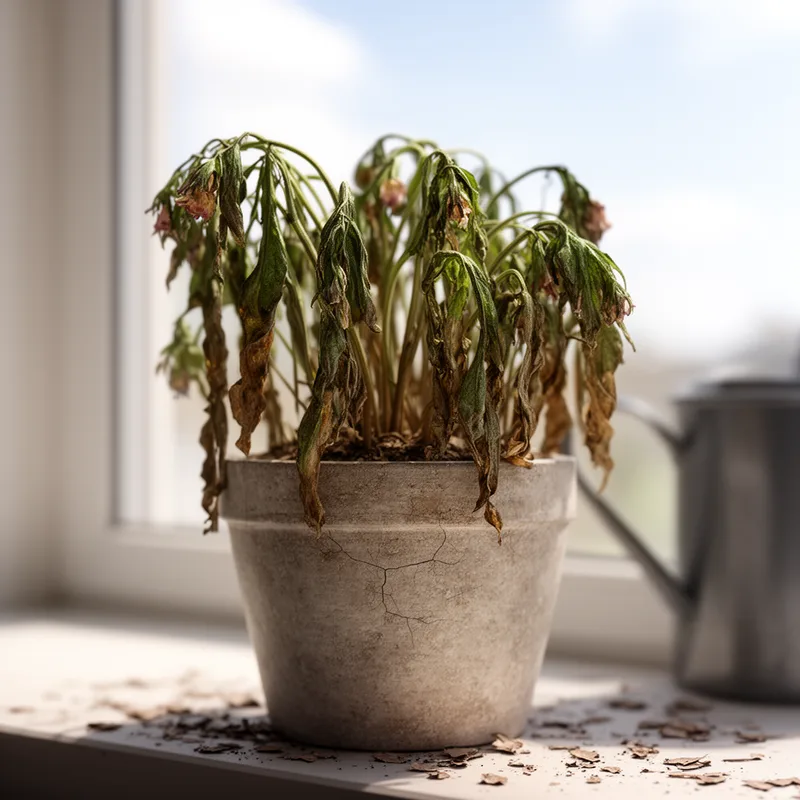
to welk
- verb
- /wɛlk/
- Archaic
- The leaves began to welk after days without water.
Examples
-
In the harsh wind, the flowers quickly welked and lost their color.
-
Without care, even the strongest plants will welk in poor soil.
-
The flowers began to welk in the heat.
-
After a week without water, the plants welked quickly.
-
The leaves began to welk after several days without rain.
-
Due to the extreme heat, the garden plants welked and became lifeless.
-
Without proper sunlight, the delicate flowers will welk and lose their vibrant colors.
Synonyms
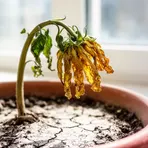
 91
4.4
91
4.4

To become dry and weak, as with plants or feelings
 19
2.7
19
2.7
To lose all water or moisture so it has none left
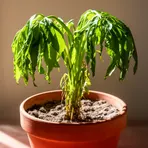 18
3.2
18
3.2
To become limp and droop from heat, lack of water, or disease
 11
3.5
11
3.5
Become small, dry, and wrinkled because it loses water
Antonyms

How Wilted

Surface Forms
Etymology
Welk as a verb means to become wilted or withered; a helpful way to remember it is to think of the common word wilt, because both words mean 'to lose freshness' in plants.