

webbing
 2
4.9
2
4.9

- noun
- /ˈwɛbɪŋ/
- The nets, which were made with synthetic Nytex webbing with 0.3 or 0.5 mm mesh, were towed open for about an hour.
- nylon webbing
- thick webbing
- extra-thick webbing
Examples
-
The backpack has durable webbing used for the straps, making it easy to carry.
-
But all of them, all of the Levi's have webbing already built into them.
-
The strap is the same webbing that we use in our tethers, so...
-
Shepherd and Caldwell manage to hang onto safety webbing as the wind whips around them.
Fiction book (1997) -
Two nylon webbing panels, each measuring 46 x 14 inches, form belly pads for the divers.
Academic text (1991) -
He secured the load with strong webbing to ensure it would not shift during transport.
-
The new harness features breathable webbing, providing both support and comfort.
Synonyms
 111
1.0
111
1.0
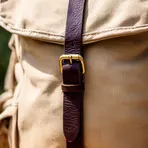
A long narrow strip of leather or cloth used to fasten things like bags
 1
5.5
1
5.5
A strong, flexible material like leather or heavy fabric used to make belts that move parts in machines

A long narrow piece of leather used for tying or fastening things

A narrow strip of leather used to tie or fasten things
Compounds

How Narrow

Surface Forms
Morphology
Etymology
Webbing comes from web, which means 'a woven fabric' and is the same root as weave. So webbing is a strong strip made by weaving cloth together, which is why we use it for straps, belts, and supports.