

water fern
- noun
- /ˈwɔːtər fɜrn/
- The aquarium was decorated with lush water fern to create a natural habitat for the fish.
Examples
-
Some species of water fern can help purify water by absorbing excess nutrients.
-
We spotted a rare water fern growing along the edge of the pond during our hike.
-
The water fern floated gracefully on the pond's surface.
-
Many water ferns thrive in aquatic environments.
-
The aquarium was decorated with lush water fern to create a natural habitat for the fish.
-
We spotted a rare water fern growing along the edge of the pond during our hike.
-
Many water ferns thrive in aquatic environments.
Synonyms

 54
1.3
54
1.3

A plant with feathery leaves that has no flowers and makes spores
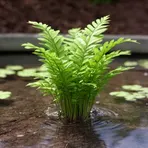
A fern that grows in water or very wet places

A fern with deeply divided leaves that grows in wet places like marshes
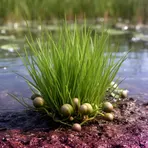
A small water fern that grows at the edges of ponds and has tiny round parts that hold spores
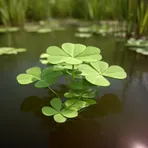
A small water plant with leaves made of four clover-like parts that float
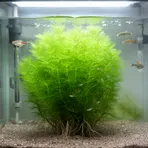
A plant with feathery green leaves that grows in aquariums

A small fern that floats on water in ponds and tanks
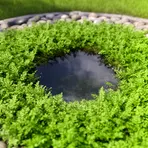
A plant that floats on the surface of water, often used in aquariums and ponds

A small water plant that floats on the surface of ponds and slow streams
Surface Forms
Morphology
The meaning 'a fern that grows in water or very wet areas' is directly and compositionally derived from 'water' (specifying habitat) + 'fern' (the plant); 'water' functions as an attributive modifier indicating type. This straightforward noun+noun compound for habitat is cross-linguistically common, so a B1 learner who knows both words should be able to infer the MWE meaning.
Etymology
Water fern comes from a simple picture: a fern that grows in water, often floating in ponds or living at the edge of wet places. That's why the name means 'a type of fern that grows in water or very wet areas'.