

waste stabilization lagoon
- noun
- /weɪst ˌsteɪbɪlaɪˈzeɪʃən ləˈɡuːn/
- Specialized
- The waste stabilization lagoon relies on natural processes to break down organic matter in the water.
Examples
-
Many rural communities use waste stabilization lagoons to treat their sewage in an environmentally friendly way.
-
Designing a waste stabilization lagoon requires consideration of local climate and soil conditions.
-
The waste stabilization lagoon helps purify the water.
-
Many cities use waste stabilization lagoons for wastewater treatment.
-
Many rural communities use a waste stabilization lagoon to treat sewage and protect local water sources.
-
A waste stabilization lagoon can effectively reduce harmful bacteria in wastewater through sunlight and natural processes.
-
The design of a waste stabilization lagoon considers factors like climate, soil type, and the size of the community.
Synonyms

A large shallow pond where sunlight, bacteria, and algae help clean dirty water
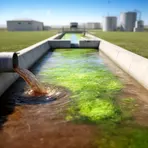
A large shallow pond made by people that uses sunlight and algae to clean sewage
How Effective


Surface Forms
Morphology
waste + stabilization + lagoon
The phrase is directly compositional: a 'lagoon' is a shallow pond and 'waste stabilization' describes the pond's function of treating or stabilizing waste/wastewater, so the overall meaning is a pond used to stabilize waste. This is a descriptive, productive noun-noun compound following common patterns (and similar terms exist in other languages), so a B1 learner who knows the constituents would likely infer the meaning.
Etymology
Waste stabilization lagoon is a simple picture: a shallow lagoon where waste sits in the sun and tiny plants and animals slowly break it down, so the water becomes safer. The word stabilization shows the idea of making the waste less harmful, so the name means a pond that 'treats wastewater' by natural action.