

visual purple
- noun
- Specialized
- Scientists discovered that visual purple is essential for seeing in low-light conditions.
Examples
-
Researchers study how vitamin A affects the regeneration of visual purple in the retina.
-
What role does visual purple play in night vision?
-
The decomposition of visual purple by light is important in the process of vision.
-
The visual purple in our eyes helps us see in low light.
-
The rods in my eyes were brimming over with rhodopsin, much more romantically known as visual purple, which was responsible for my acute night vision.
-
Sidebar: Rhodopsin (visual purple) is a pigment found in the rods of the eyes.
-
Without visual purple, our ability to see in low-light conditions would be severely impaired.
Synonyms


 1
9.9
1
9.9
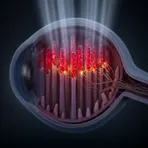
A red pigment in the eye's rod cells that starts the process of seeing in low light
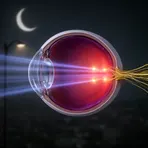
A red substance in the eye that helps you see in dim light
Surface Forms
Morphology
The compound clearly combines 'visual' (connected with sight) and 'purple' (a colour), so a B1 learner who knows both words can infer it refers to a purple-coloured thing related to vision. However, the precise biological sense — that it is the specific retinal pigment (rhodopsin) involved in dim-light vision — is technical and not fully predictable from the constituents, so partial knowledge but not full comprehension is likely.
Etymology
Visual purple comes from the purple color of a pigment in parts of the eye that help us see in dim light. The word visual points to seeing and purple to its color, so the name means that light-sensitive substance in the back of the eye.