
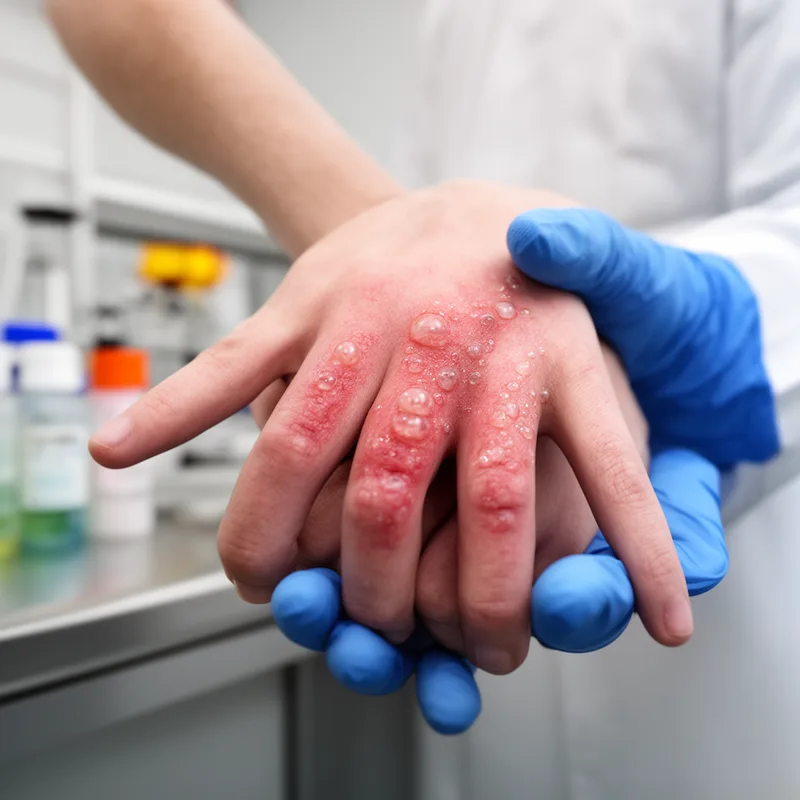
vesication
- noun
- /ˌvɛsɪˈkeɪʃən/
- Specialized
- Some skin diseases are characterized by vesication and severe itching.
Examples
-
Prolonged exposure to the chemical caused vesication on the laboratory worker’s hands.
-
The doctor explained that vesication can occur after a severe burn.
-
Blister agents were used in warfare for their ability to induce rapid vesication on contact with skin.
-
After exposure to certain chemicals, vesication may develop on the skin.
-
Prolonged exposure to the chemical caused vesication on the laboratory worker’s hands.
-
After exposure to certain chemicals, vesication may develop on the skin.
-
The doctor explained that vesication can occur after a severe burn.
Synonyms
 2
6.1
2
6.1

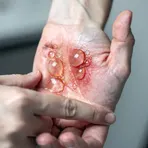
The skin making painful raised areas filled with liquid
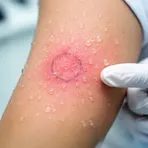
A process that forms small blisters filled with fluid under the skin
Antonyms
Surface Forms
Morphology
Etymology
Vesication comes from the Latin vesica, meaning 'blister' or 'small bladder'. It shares the same root as the English word vesicle, a small sac, so vesication means the forming of blisters on the skin.