

blistering
 2
6.1
2
6.1

- noun
- /ˈblɪstərɪŋ/
- Specialized
- Superficial ulcerations and blistering usually resolve without sequelae.
Examples
-
Rackham felt his own flesh blistering.
Fiction book (2000) -
Paint that is peeled or blistering is another sign of water damage.
Blog text (22) -
The blistering looks like echinococcosis.
-
In its most severe form, it results in inflammation, blistering, and peeling of the skin.
Academic text (1998) -
Pemphigus vulgaris is an autoimmune skin disorder characterized by blistering of the skin and mucous membranes.
Academic text (2007) -
Symptoms of nickel and cobalt allergies can include redness, swelling, itching, eczema, blistering, skin lesions, and occasional scarring.
Blog text (18) -
The doctor explained that blistering can occur after a severe sunburn, causing painful bumps on the skin.
-
After several hours in the water, she developed blistering on her feet from the friction of her shoes.
-
The athlete was sidelined due to blistering that formed on his hands from gripping the tennis racket too tightly.
Synonyms

The formation of blisters on the skin often from disease or chemicals
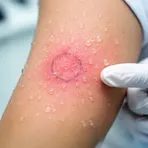
A process that forms small blisters filled with fluid under the skin
Antonyms
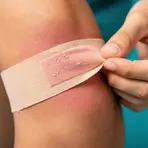
Compounds

- NSFW
A harmful chemical that causes severe blisters on skin and damages eyes and lungs, often used as a weapon
How Severe

Surface Forms
Morphology
Etymology
Blistering comes from the word blister, which means a small 'bubble' of fluid on the skin, so blistering is the process of forming those painful bubbles.