
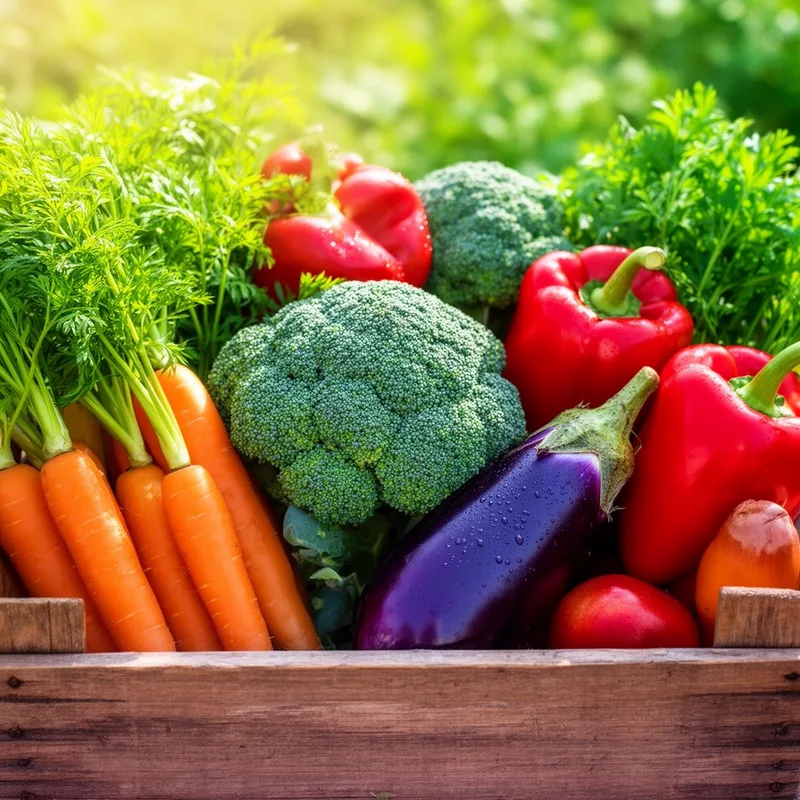
vegetable
 545
1.0
545
1.0

- noun
- /ˈvɛdʒtəbl/
- My mother always includes a variety of vegetables in her stir-fry for better nutrition.
- fruit and vegetables
- eat vegetables
- fresh vegetables
Loading YouTube…
Watch on YouTubeHer diet was made-up of vegetables, meat and fat.
- Her diet was made-up of vegetables, meat and fat.
- They are the only vegetable for me.
- Meat, fish, fowl, eggs, nut seeds, vegetables, some fruit, some starchy tubers.
- A garden can be all vegetables and can be very beautiful.
- Potato, they're just trying to sell fucking plastic vegetables bro That's it.
- And always eat salads, vegetables, greens, fruits.
- Other thing I like people to get is vegetables in the chicory family.
- So for me, anecdotally, cutting vegetables out improved my eczema.
- I love that I can dice vegetables with exact precision.
- And I ate meat, vegetables, berries and things like that.
- So lots of fresh vegetables and fruits.
Examples
-
In addition, it was more costly than living on vegetables alone.
Academic text (2011) -
Provide tips for parents on how to model and support fruit and vegetable consumption at home.
Academic text (2011) -
A garden can be all vegetables and can be very beautiful.
-
The colony is growing and needs more ground for vegetables.
-
When possible, offer more than one fruit and/or vegetable option at a time.
Academic text (2011) -
Explore new ways to promote vegetables, as students favor fruit over vegetables.
Academic text (2011) -
Main successes included seeing students try new fruit and vegetable snacks, having the program run smoothly, and teacher support.
Academic text (2011) -
Her diet was made-up of vegetables, meat and fat.
-
RESULTS: Distributing fresh fruit and vegetable snacks at school was well received by staff and students.
Academic text (2011) -
Vegetables can taste good!
Synonyms
 43
3.0
43
3.0
A plant food like a carrot or lettuce that you eat
 14
7.9
14
7.9
A part of a plant that people eat, for example carrots and peas
A plant you can eat
Idioms

Compounds


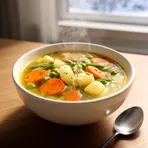


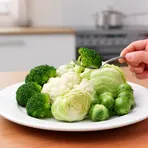
- Specialized
1
3.6
A vegetable from the mustard family like cabbage or broccoli that people eat

- Specialized

 1
3.7
1
3.7
A vegetable cut into thin strips like matchsticks for salads and cooking
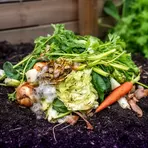


A dark green squash with light patches used in Mediterranean cooking

- Specialized
Plants you can eat like tomatoes, potatoes, and peppers that can cause rashes or other reactions in some people
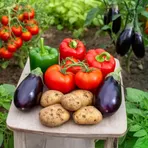
- Specialized
A vegetable that comes from plants like tomatoes, peppers, potatoes, and eggplants


A hard white seed from some South American palms that people use to make buttons and small carved objects



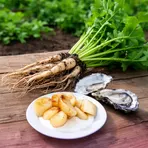

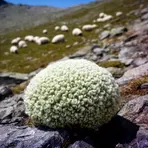
- New Zealand
A small plant with thick woolly leaves that looks like a sheep from far away
How Common
 545
1.0
545
1.0
Surface Forms
Morphology
vegetable = veget + able
Although the suffix '-able' is present, the root 'veget' is not a standalone English word and the noun meaning 'plant / edible plant part' is a lexicalized sense not transparently composed from familiar English morphemes.
Etymology
Vegetable comes from the Latin vegetare, which means 'to enliven', and vegetabilis, which means 'growing'. So it originally meant a 'growing thing', which is why today a vegetable is a plant or part of a plant we eat, and you can see the same root in vegetation.