
to varve
9.9
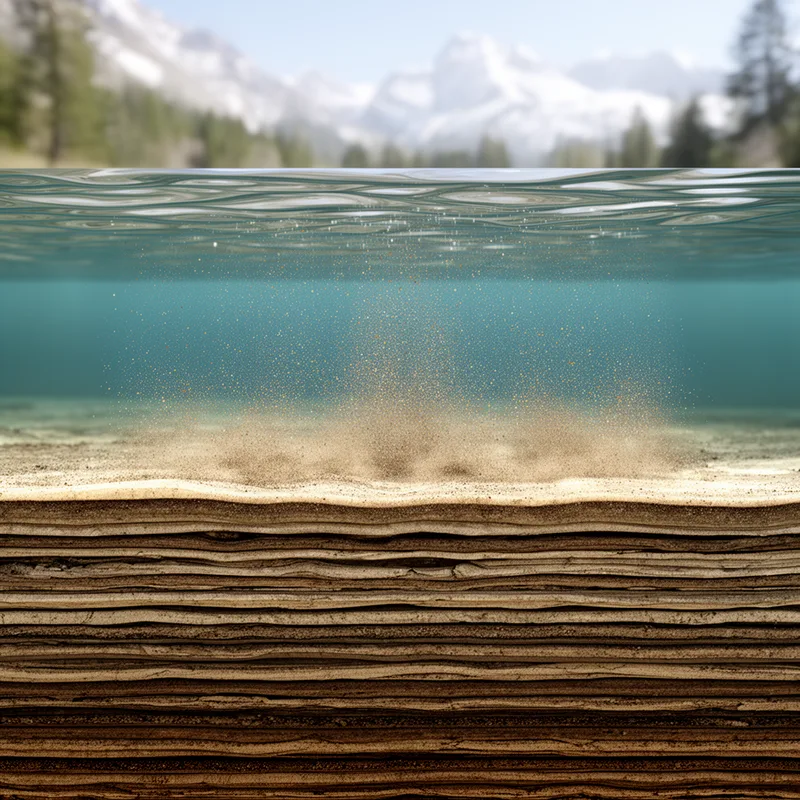
To form a thin yearly layer of sediment at the bottom of a lake
- verb
- /ˈvɑːrv/
- Specialized
 :
formar varvas
:
formar varvas
Examples
-
Layers can also be found in relatively rare ocean and lake environments; such layers are called varved sediments.
Academic text (2002) -
Geologists study how lakes can varve each year, creating distinct layers that reveal climate changes.
-
In the calm waters of the lake, sediments can varve annually, resulting in beautifully preserved geological records.
-
The scientists observed how the river's slow flow allowed it to varve, forming chronological layers of sediment over time.
Surface Forms
Etymology
Varve comes from the same Swedish varv, meaning 'layer', and it was used to name the yearly bands of sediment. So to varve is to form a new yearly layer in a lake, like the lake making one ring each year.

