
undomesticable
- adjective
- /ˌʌn.dəˈmɛs.tɪ.kə.bəl/
- Scientists found that certain species remain undomesticable even after generations of captivity.
Examples
-
Some wild animals are considered undomesticable despite repeated attempts.
-
Many believe that certain species are simply undomesticable.
-
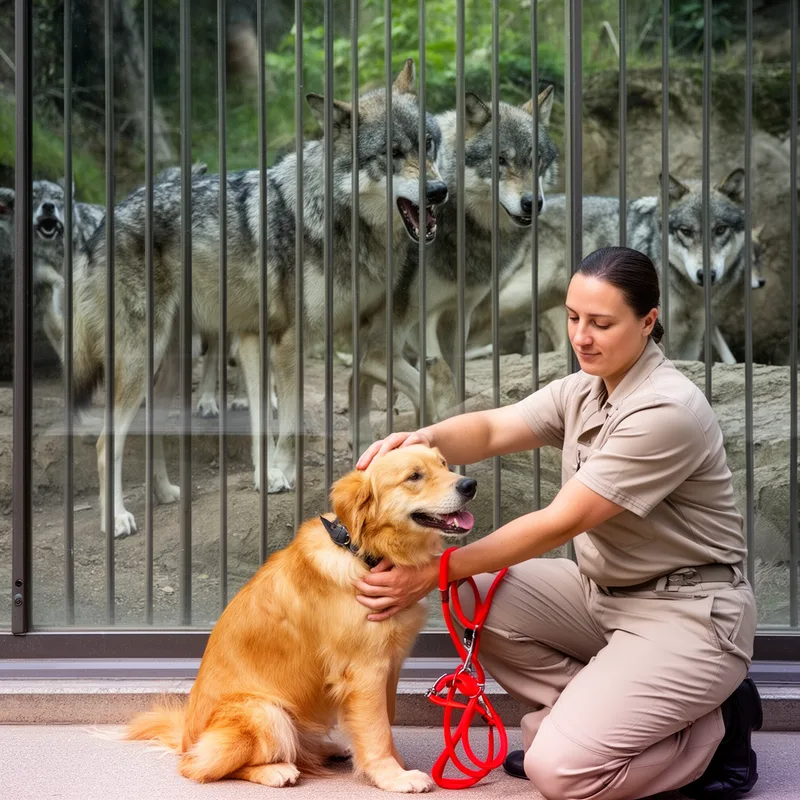
The zookeeper explained that wolves are generally undomesticable compared to dogs.
-
The wild horse is undomesticable in its natural habitat.
-
Some wild animals, like elephants, are considered undomesticable because they cannot adapt to living alongside humans.
-
Many species are undomesticable, which means they resist attempts at taming or training.
-
The tiger is often classified as undomesticable due to its fierce independence and natural instincts.
Synonyms

 2
7.0
2
7.0

Cannot be controlled or made gentle
 1
7.0
1
7.0
Impossible or very hard to teach to follow instructions
Antonyms

How Tame

Surface Forms
Morphology
undomesticable = domesticable (transparent) = un + domestic + able
The prefix 'un-' straightforwardly negates the adjective 'domesticable', producing the expected negative meaning.
Etymology
Undomesticable breaks into un- 'not', domestic 'home', and -able 'can be'. So it means 'not able to be brought into the home', which helps you remember it describes animals or things that cannot be tamed or live with people.