

to unblunt
- verb
- /ʌnˈblʌnt/
- After years of use, the gardener needed to unblunt her pruning shears for clean cuts.
Examples
-
Special tools are required to unblunt old scissors and restore their sharpness.
-
The chef tried to unblunt his favorite knife by carefully grinding the edge.
-
Please unblunt this knife before you use it!
-
He will unblunt the scissors for the craft project.
-
The chef tried to unblunt his favorite knife by carefully grinding the edge.
-
After years of use, the gardener needed to unblunt her pruning shears for clean cuts.
-
Special tools are required to unblunt old scissors and restore their sharpness.
Synonyms

To make a tool or blade sharp again after it becomes dull
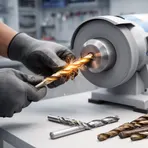
To grind something again to make it sharp or change its shape
How Sharp


Surface Forms
Morphology
Etymology
Unblunt as a verb is made from un- ('remove') and blunt ('dull'), so it means to remove dullness and make something sharp again. Think of it like 'undo' plus 'blunt', which is why to unblunt a knife is to sharpen it.