

truncus
- noun
- /ˈtrʌŋkəs/
- Specialized
- The scientist examined the truncus of the blood vessel to understand its structure better.
Examples
-
In human anatomy, the truncus arteriosus is crucial as it directs blood flow from the heart.
-
The mass concentrically surrounded the subclavian and axillary arteries, and the subclavian vein was also occluded from the truncus.
Academic text (2007) -
The truncus of the tree was thick and sturdy, supporting many branches above.
Synonyms

 11
3.4
11
3.4

The main part of a person or animal body between the head and legs
Compounds

- Specialized
A group of heart fibres that carry electrical signals from the heart's top to its lower chambers so they contract
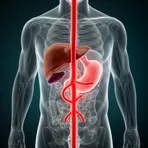
- Specialized
A large blood vessel from the main artery in the belly that gives blood to the stomach, liver, and spleen
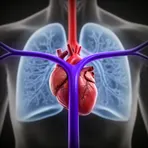
- Specialized
A large blood vessel that carries blood without oxygen from the right side of the heart to the lungs
Surface Forms
Etymology
Truncus comes from the Latin root trunc-, which means 'trunk' or 'main stem', like a tree trunk or a suitcase trunk. So truncus in anatomy means the main part of a body or blood vessel, the central piece from which smaller branches come.