

tricarboxylic acid cycle
- noun
- /ˌtraɪkɑrˈbɑksɪlɪk ˈæsɪd ˈsaɪkəl/
- Specialized
 :
ciclo del ácido tricarboxílico
:
ciclo del ácido tricarboxílico
- The tricarboxylic acid cycle is essential for cellular respiration, converting acetyl groups into usable energy.
Examples
-
During exercise, the body's tricarboxylic acid cycle helps generate the ATP needed for muscle contractions.
-
Researchers study the tricarboxylic acid cycle to understand how cells produce energy efficiently.
-
So TCA, tricarboxylic acid cycle, Krebs cycle, citric acid cycle, all synonyms for the same thing.
Synonyms


 1
5.1
1
5.1
A series of chemical reactions in cells that make energy, carbon dioxide, and water

A series of chemical reactions in the mitochondria of cells that make energy
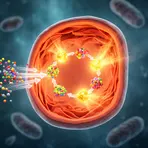
A series of reactions in the cell's mitochondria that change food molecules into energy
Surface Forms
Morphology
tricarboxylic + acid + cycle
The phrase is morphologically compositional — combining 'tricarboxylic' (having three carboxyl groups) + 'acid' + 'cycle' yields the literal idea of a recurring process involving a tricarboxylic acid. However, the full, specific biomedical sense (the Krebs/citric acid pathway in cellular respiration) is technical and requires domain knowledge beyond B1 learners, so the exact meaning is not fully derivable from the constituents.
Etymology
The noun tricarboxylic acid cycle is named for the chemicals and the shape of the process: tricarboxylic acid means a tiny chemical with three acid parts, and cycle shows the steps go round and repeat. Scientists also call it the 'Krebs cycle' or the 'citric acid cycle', and that helps remember it is a repeating series of reactions in cells that makes energy.