
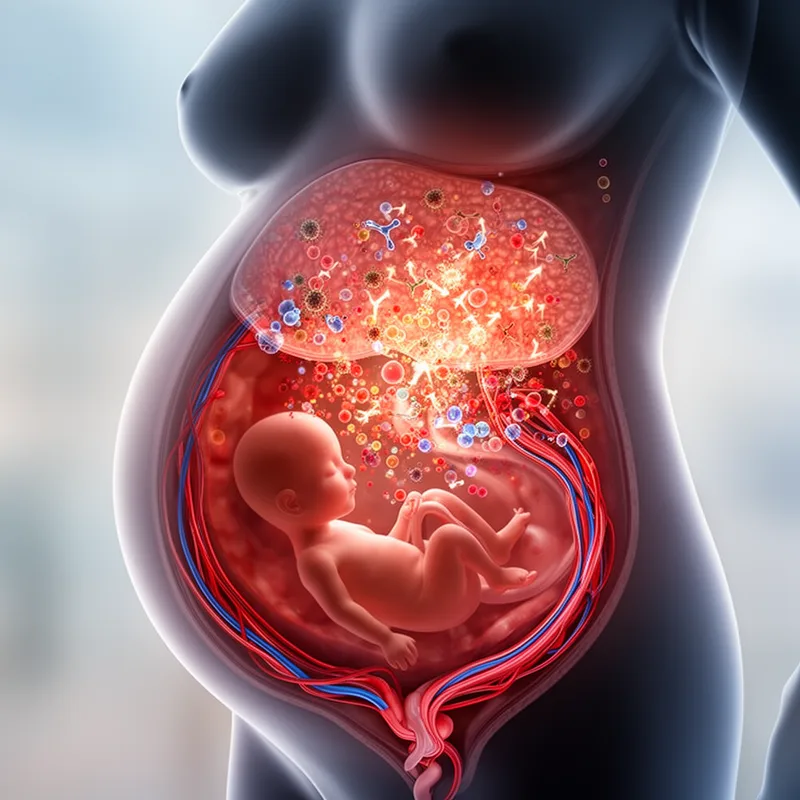
transplacental


 1
9.0
- adjective
- /ˌtrænspəˈslɛntəl/
- Specialized
- The study indicated that transplacental exposure to environmental toxins can impact fetal development.
- transplacental exposure
- transplacental PCB
Examples
-
These effects are influenced by mode of exposure (transplacental or lactational) and age of the child at the time of assessment, with consequences being more evident in early life.
Academic text (2010) -
Rogan and Gladen (1991) found that children in the top fifth percentile of transplacental exposure to PCBs had adjusted scores for development that were four to nine points lower than their peers.
Academic text (2010) -
These studies show that, in humans, transplacental exposure to HAHs can affect central nervous system function postnatally.
Academic text (1993) -
In the case of boys, their height at puberty increased with transplacental exposure to DDE, as did their weight adjusted for height.
Academic text (2010) -
Humans can become infected via transplacental transmission, ingestion of cysts, and blood transfusion.
Academic text (2006) -
Transplacental infection in mice results in persistently infected offspring that shed virus throughout life (2).
Academic text (2014) -
Our findings show that transplacental transfer of maternal cells can lead to tissue microchimerism that may contribute to the pathogenesis or repair of cardiac injury in NLS.
Academic text (2003) -
Maternal exposure to PCBs is predominantly through the food chain. Infant exposure to PCBs is predominantly through breastfeeding, although a significant contribution comes from transplacental passage.
Academic text (2010) -
A study from North Carolina found that girls with the highest transplacental PCB exposure were heavier for their height than other girls by 5.4 kg (Gladen, Ragan, & Rogan, 2000).
Academic text (2010) -
Children can acquire certain infections through transplacental transmission of viruses from their mothers during pregnancy.
Synonyms
 5
7.0
Relating to the part inside a mother that feeds the baby before birth
Surface Forms
Morphology
Etymology
Transplacental comes from trans- meaning 'across', as in transfer, and placenta meaning 'the organ that feeds the baby in the womb'. So it describes something that moves 'across the placenta' from the mother to the baby before birth.