
transcranial
 2
7.4

- adjective
- /trænsˈkreɪniəl/
- Specialized
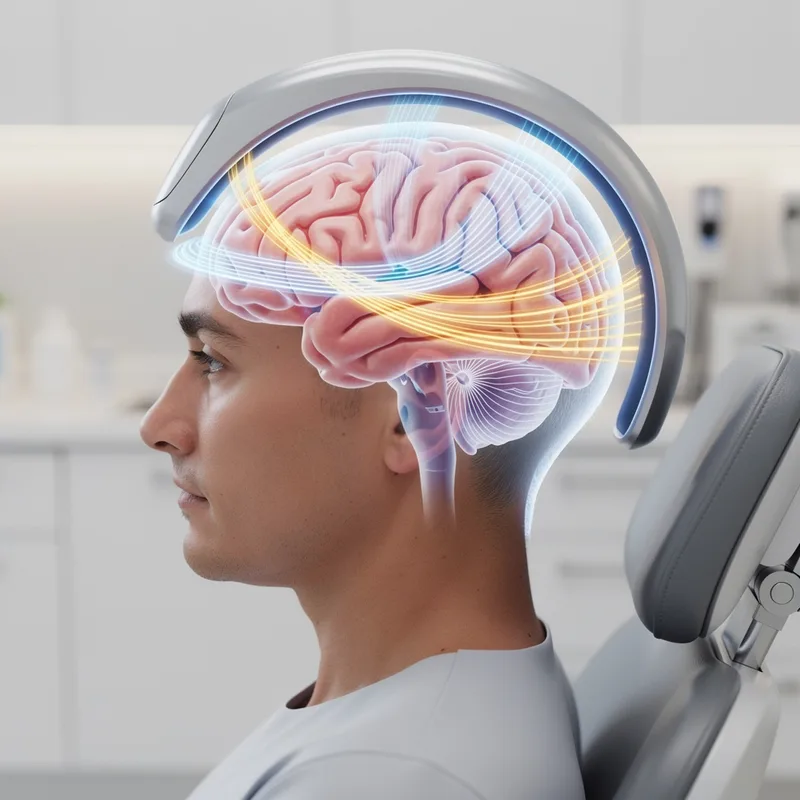
- Doctors use transcranial magnetic stimulation to help treat depression in patients.
- transcranial magnetic stimulation
- transcranial direct current
- transcranial direct
Loading YouTube…
Watch on YouTubeSo they, no, they had, there was a thing called TMS, which was transcranial magnetic stimulation.
- So they, no, they had, there was a thing called TMS, which was transcranial magnetic stimulation.
- Focal deep brain stimulation does the same thing but more localized or transcranial stimulation.
- We've got transcranial magnetic stimulation, which wasn't around when I first started.
- So transcranial magnetic stimulation seems to intervene in these very fast processes right now.
Examples
-
Do you think transcranial magnetic stimulation treatment could alleviate PTSD, post traumatic stress disorder, panic, anxiety or Alzheimer's?
-
They use transcranial magnetic stimulation and EEG technology.
-
So they, no, they had, there was a thing called TMS, which was transcranial magnetic stimulation.
-
So transcranial magnetic stimulation seems to intervene in these very fast processes right now.
-
OK, Now let's talk about this transcranial magnetic stimulation, because what we're talking about, you don't actually touch the patient.
-
We've got transcranial magnetic stimulation, which wasn't around when I first started.
-
Transcranial Transcranial Magnetic Stimulation, or TMS for short, involves generating a large magnetic field close to the skull.
-
Nothing could help that, although someday the transcranial magnetic stimulation people might produce something precise enough to allow neural impressing without surgery.
Fiction book (2002) -
Adding transcranial direct current stimulation to functional task practice resulted in improved fine hand motor performance, pinch strength, and visuomotor tracking.
Academic text (2015) -
The study explored how transcranial techniques can enhance brain function during rehabilitation.
Surface Forms
Morphology
Etymology
Transcranial combines the prefix trans- ('across' or 'through') and cranial from cranium ('skull'). So, transcranial describes something that goes 'through the skull', like medical treatments or tests that act across the head.