
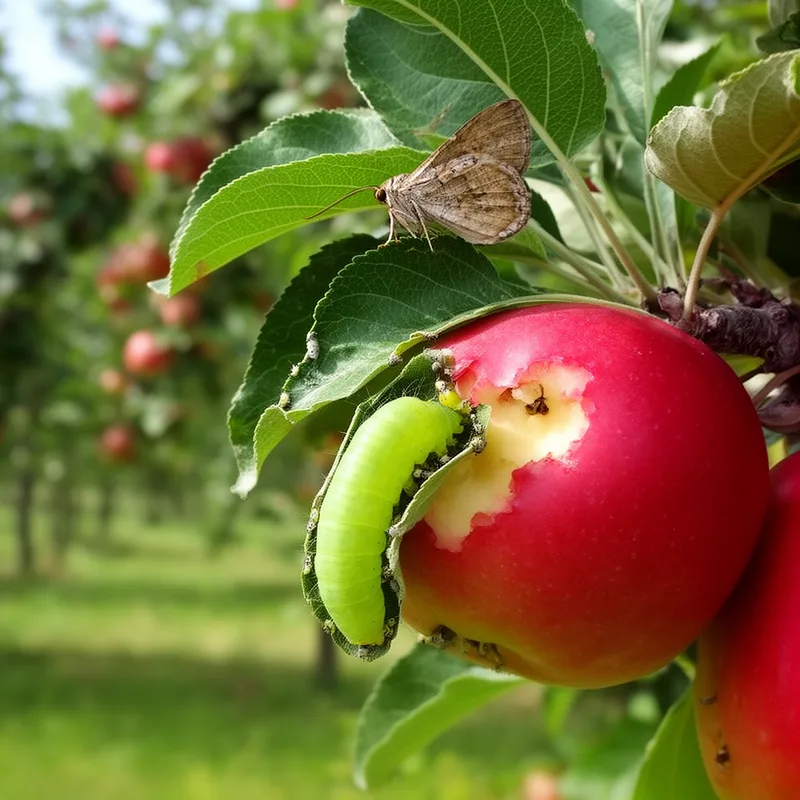
tortricid moth
- noun
- /ˈtɔrtrɪsɪd mɔθ/
- Specialized
- The apple orchards suffered severe damage due to an infestation of tortricid moth larvae.
Examples
-
Some species of tortricid moth are considered major agricultural pests across the world.
-
The researcher collected several tortricid moth specimens for her entomology study.
-
The tortricid moth is known for its distinctive wing patterns.
-
Have you seen a tortricid moth before?
-
Some species of tortricid moth are considered major agricultural pests that damage crops.
-
The apple orchards suffered severe damage due to an infestation of tortricid moth larvae that were feeding on the leaves.
-
The researcher collected several tortricid moth specimens to analyze their role in the local ecosystem.
Synonyms
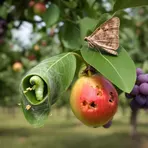
A small moth whose caterpillars roll leaves and eat fruit
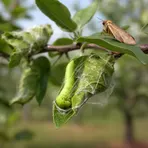
A moth whose caterpillars roll and tie leaves with silk to make a nest

A small moth whose caterpillars eat and damage crops or fruit
Surface Forms
Morphology
The phrase 'tortricid moth' is a straightforward taxonomic noun phrase: its meaning (‘a moth of the Tortricidae family’) is directly built from 'tortricid' (a member/type of that family) plus 'moth'. This compositional, descriptive pattern is common and predictable, so a B1 learner who knows the constituent words can infer the meaning.
Etymology
The name tortricid moth, especially the word tortricid, comes from an old Latin word meaning 'twist', because the young caterpillars roll and twist leaves to make a shelter. That's why the name describes small moths whose young 'leaf rollers' often live in leaves or inside fruit.

