

thysanuron
- noun
- /θaɪˈzænərən/
- Specialized
- Unlike many insects, a thysanuron never develops wings.
Examples
-
The thysanuron is often found under stones and in leaf litter in damp environments.
-
Scientists studied the diet of the thysanuron in its natural habitat.
-
The thysanuron is often found in damp environments.
-
Many people have never seen a thysanuron in real life.
-
The thysanuron is a small, primitive insect that thrives in moist areas.
-
In a recent survey, researchers discovered that the thysanuron is more common in forest litter than previously thought.
-
People often overlook a thysanuron because of its tiny size and wingless body.
Synonyms
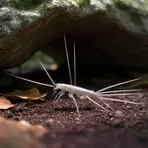
A small wingless insect with a long body and three long bristly tails

A small insect without wings that has a long bristle tail
Surface Forms
Morphology
thysanuron = Thysanura (opaque) = thysan + uron
The term is formed from Greek combining forms used in taxonomic names rather than productive English morphemes, so its formation and meaning are not guessable by a typical B1 learner.
Etymology
Thysanuron comes from Greek words thysan- meaning 'tassel' or 'fringe' and -uron meaning 'tail'. So a thysanuron is a small, wingless insect with a bristly tail, which is why these insects are called 'bristletails'.

