
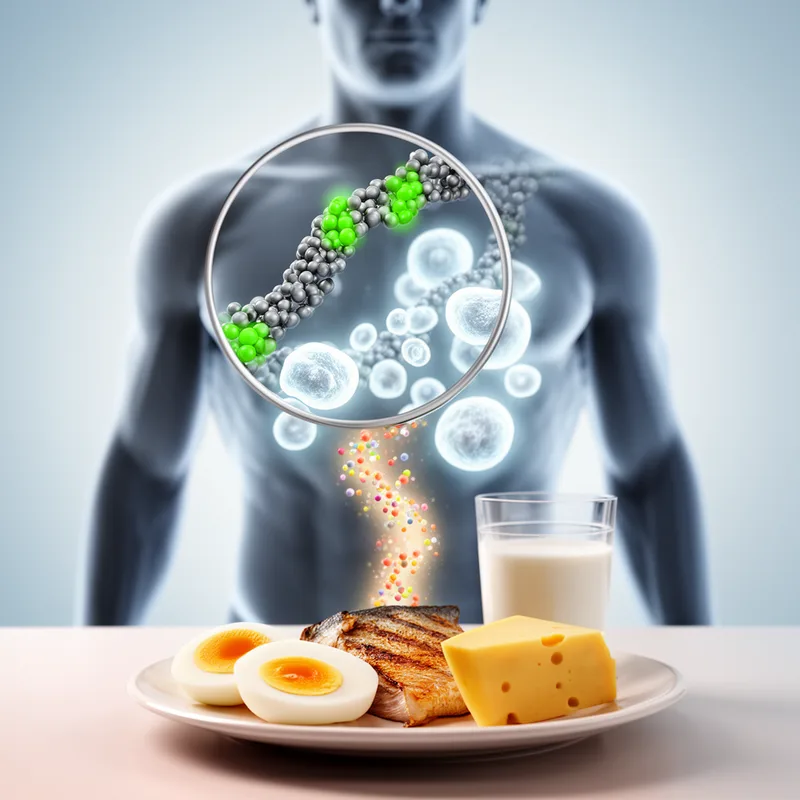
threonine


 1
9.3
- noun
- /θriˈoʊniːn/
- Specialized
- One pathway involves tyrosine 88 and threonine 187 phosphorylations and drives the protein towards Skp2-dependent removal.
- serine/threonine
Examples
-
Glycine, serine, alanine, and threonine are all non-essential amino acids.
Academic text (2018) -
And this is what we'll see for serine proteases, cysteine proteases and threonine proteases.
-
And here we see that threonine is transferred to the tRNA as well.
-
Yes, threonine is another amino acid.
-
It's a threonine microbe.
-
Squalene and cholesterol synthesis, vitamin A metabolism, and glycine, serine, alanine, and threonine metabolism overall contributions all decrease with age.
Academic text (2018) -
The body needs threonine to maintain proper health and function.
-
Many athletes take supplements that contain threonine to support muscle recovery after intense workouts.
-
Foods such as chicken, fish, and dairy products are rich sources of threonine, making them important for a balanced diet.
Synonyms
 3
7.0
An amino acid the body cannot make and must get from food
 1
6.0
An important part of protein the body must get from food to build and repair muscles
 1
8.0
A building block of protein found in foods that the body uses for growth and changes into tyrosine
 1
7.0
An essential amino acid that contains sulfur and helps the body grow and repair tissues
 1
7.4
An essential amino acid in proteins needed for growth and body repair
 1
8.3
A part of protein in food that the body needs to build and repair tissues
Surface Forms
Morphology
threonine = threon + ine
The element 'threon' is a technical combining form (not a standalone English word) and the suffix '-ine' is a specialised chemical ending, so the meaning is not derivable by an average B1 learner from familiar English morphemes.
Etymology
The word threonine comes from the sugar name threose and the related name threonic acid, because scientists first obtained this amino acid from that sugar. So the name stayed, and that's why threonine is the name for this essential amino acid you need in your diet.