
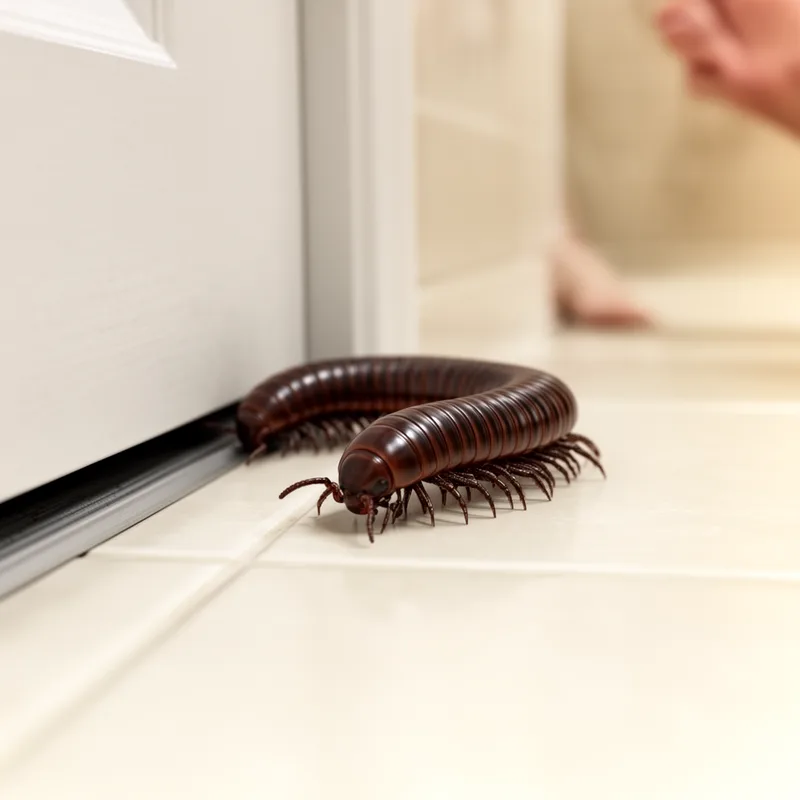
thousand-legs
- noun
- /ˈθaʊzənd lɛɡz/
- My little brother screamed when he saw a thousand-legs in the bathroom.
Examples
-
He moved the rock and spotted a thousand-legs curling up underneath.
-
A thousand-legs crawled under the door and disappeared into the shadows.
-
Look at that thousand-legs on the wall!
-
I saw a thousand-legs crawling on the floor.
-
I found a thousand-legs under the damp leaves while cleaning the garden.
-
The thousand-legs quickly scurried away when the light turned on.
-
After the rain, a thousand-legs appeared on the sidewalk, moving slowly.
Synonyms
 14
3.4
14
3.4

A long thin animal with many legs that uses its front legs to catch small animals
 5
4.9
5
4.9
A small long animal with many legs that eats plants or dead leaves

Long animals with many body segments that each have two pairs of legs, like millipedes
An animal with many body segments and many legs like a millipede
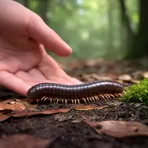
A small animal with a long round body and many legs that moves slowly
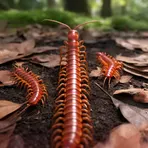
A group of animals called centipedes with many segments and one pair of legs per segment
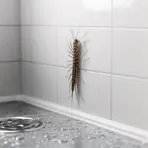
A long, many-legged creature often found in damp rooms like basements and bathrooms

A long-legged centipede that lives in damp places inside houses like bathrooms
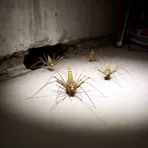
A named group of centipedes with long legs that move quickly
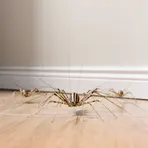
A family of centipedes with long legs that move quickly, including the house centipede
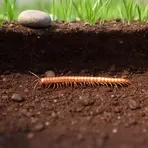
A long thin centipede with many legs that lives in soil worldwide
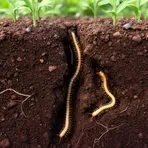
A family of small, very long centipedes that live in soil and burrow
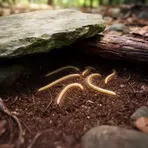
A group of small, long centipedes that live in soil and under stones and have many legs
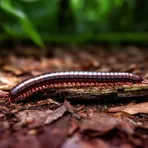
A land animal with many body sections and many legs, like centipedes or millipedes
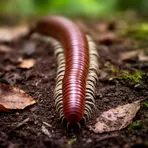
Animals with many body segments and legs like millipedes

Small soil animals that look like tiny centipedes and can eat plant roots

A small soil creature like a tiny centipede that damages plant roots in greenhouses and gardens

A small many-legged creature that lives in soil and eats plant roots
Surface Forms
Morphology
Etymology
Thousand-legs comes from the two English words thousand ('a very large number') and legs ('the parts animals walk on'), and it is used for a millipede or centipede, small long animals with many legs. A helpful way to remember it is to imagine the animal covered in legs, even though it does not really have one thousand.