

Scutigera coleoptrata
- noun
- /ˌskjuːtɪˈdʒɪərə koʊliˈɒptrə/
- Specialized
- The Scutigera coleoptrata darted across the bathroom floor and disappeared behind the sink.
Examples
-
Many people mistake Scutigera coleoptrata for a harmful pest, but it actually preys on other insects.
-
A Scutigera coleoptrata can be beneficial by eating pests.
-
Biologists collected several specimens of Scutigera coleoptrata during their survey of basement habitats.
-
Look out for a Scutigera coleoptrata!
-
While cleaning the cellar, I noticed a Scutigera coleoptrata scurrying across the damp floor.
-
In the corner of the bathroom, I spotted a Scutigera coleoptrata hunting a spider.
-
The Scutigera coleoptrata can often be found hiding under rocks in moist areas of the house.
Synonyms
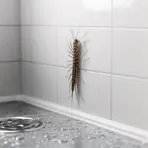
A long, many-legged creature often found in damp rooms like basements and bathrooms
Surface Forms
Morphology
Scutigera + coleoptrata
This is a Latin binomial scientific name (genus + species) whose parts are taxonomic labels rather than descriptive, and the element 'coleoptrata' is not lexically transparent or attested in dictionaries. A B1 learner who knows the constituents would at best recognize it as a species name but would not be able to derive the specific meaning 'long-legged centipede' from the parts, so the expression is opaque.
Etymology
Scutigera coleoptrata comes from old Latin and Greek words that describe its look: Scutigera means 'shield-bearer' for the small plates on its back, and coleoptrata suggests 'sheath-winged', a way to say it has hard, plate-like coverings. So the name helps you picture the long-legged, plate-covered centipede often found in damp cellars and bathrooms.

