

thornlessness
- noun
- /ˈθɔrnˌlɛs.nəs/
- The gardener loves the thornlessness of the new rose plants, as they are easier to handle during pruning.
- gene for thornlessness
Examples
-
The thornlessness of the new blackberry plant makes it much easier to harvest the fruit.
-
The thornlessness of this rose variety is quite remarkable.
-
Gardeners appreciate the thornlessness of certain rose varieties for safer handling.
-
The thornlessness of these stems allows children to pick flowers without getting hurt.
-
Many gardeners appreciate the thornlessness of these new plants.
-
Scientists are developing new rose varieties with thornlessness to make gardening safer and more enjoyable.
-
Many people prefer plants with thornlessness because they are less likely to cause injuries when touched.
Antonyms
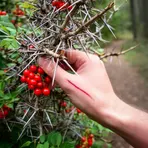
How Thorny


Surface Forms
Morphology
Etymology
Thornlessness is made from thorn and the ending -less meaning 'without', plus -ness meaning 'a state'. So thornlessness simply means 'the state of being without thorns', which helps you remember why a thornless plant is easier and safer to handle.