

thorniness
7.6
Covered with sharp thorns that can scratch the skin
- noun
- /ˈθɔrnɪnəs/
:
espinosidad
- These toxic chemicals are used along with other physical factors, such as hairiness and thorniness, to reduce herbivore attack.
Examples
-
The thorniness of the cactus provides protection against animals that might want to eat it.
-
The thorniness of the rose bush makes it difficult to handle carefully.
-
Gardeners often take into account the thorniness of plants when designing a safe landscape.
Synonyms
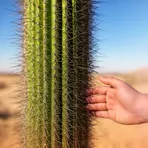
prickliness
vsthorniness


 1
6.7
1
6.7
Being covered in many small sharp points, like a cactus or rose bush
is about very sharp thorns or spines that can cut skin
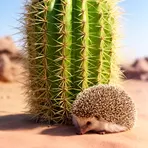
spininess
vsthorniness
8.6
A state of being covered with many sharp thorns
is about sharp thorns or spines that cause cutting pain
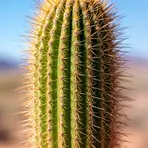
bristliness
vsthorniness
7.7
The state of being covered with short, stiff hairs or spines
is about larger, sharp thorns or spines rather than hairlike covering
Antonyms

How Thorny

Surface Forms
thorniness singular
thorninesses plural
Morphology
Etymology
Thorniness comes from the simple word thorn ('sharp point') plus the ending -ness ('the quality of'). So it literally means the quality of being full of sharp thorns or spines, which is why it describes plants that can prick or scratch you.