

the dickens
 1
9.9
1
9.9

- idiom
- /ðə ˈdɪkənz/
- Archaic
- I mean, what the dickens?
Examples
-
What the dickens is going on?
-
What the dickens do you guys do to have fun or wake up in the mornings?
Fiction book (1990) -
Where the dickens are they?
-
Where the dickens have you been?
-
How the dickens do you think they got here?
-
But if so, then why the dickens do they want these islands?
Fiction book (1990) -
"I shifted my dentures and thought to myself, why in the dickens did I have to open my mouth and call Dorothy over here?
Fiction book (1990) -
To Raymond, who had come to sit down at the other side of the table, he said: "How the dickens did a smart guy like you get tied up with a nigger?"
Fiction book (1990) -
Where the dickens have you been?
-
What in the dickens is happening here?
Synonyms
 347
8.9
347
8.9
An angry or surprised question showing you do not believe something
 90
8.9
90
8.9
A short cry to show surprise, confusion, disbelief, or casual acceptance
 4
9.9
4
9.9
A short informal word people say when they feel surprise, shock, or annoyance
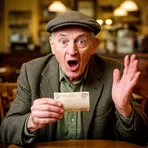

 1
9.9
1
9.9
An old-fashioned word said to show surprise or strong feeling

A word people say in exclamations to show surprise, confusion, or annoyance

An old word that people say to show surprise or strong feeling
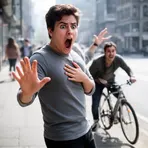
A word you say to show surprise or strong feeling

A short phrase people say to show surprise or confusion

An informal phrase people say to show surprise or disbelief
Antonyms


Surface Forms
Morphology
the + dickens
The expletive meaning of 'the dickens' (surprise, annoyance, emphasis) cannot be derived from the literal constituents 'the' and 'dickens' — the latter is an archaic euphemism for 'devil' and its present use is idiomatic. This is a fixed, language-specific expletive where the overall meaning is unpredictable from the parts, so a B1 learner knowing the words would not reliably infer the expression's sense.
Etymology
The dickens may come from an old habit of avoiding the word 'the devil' by using softer names like 'Dickon' or 'devilkins'. So, people say the dickens to show surprise, confusion, or strong feeling as a milder way to point to 'the devil'.