
term infant


 1
3.4
1
3.4
- noun
- /tɜrm ˈɪnfənt/
- Specialized
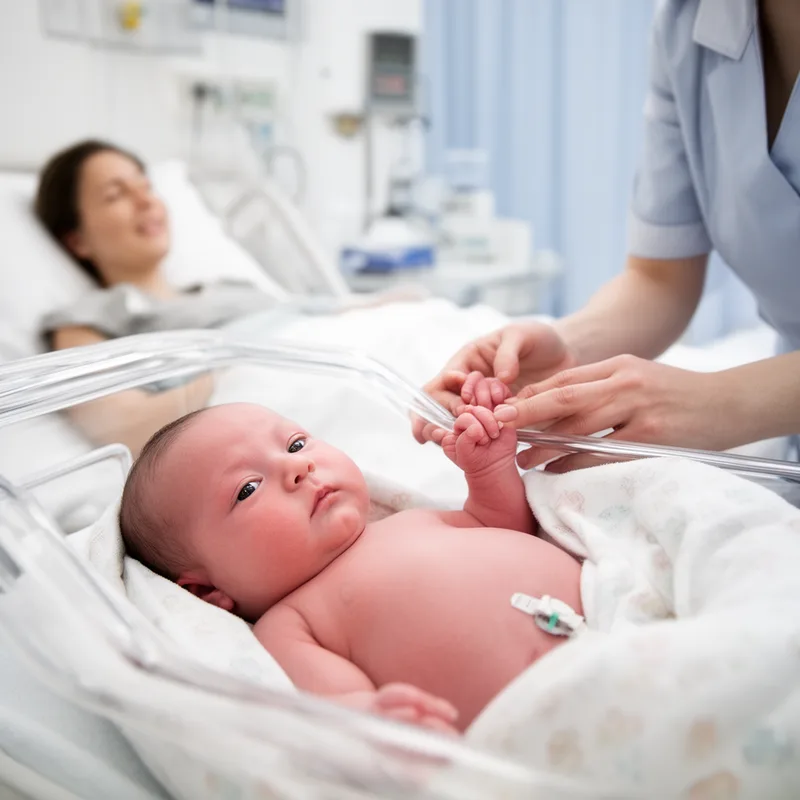
- What I'm saying is that if you have a six-month preemie and a full-term infant born on the same day, it's silly to call them the same age.
- full-term infants
Examples
-
Pediatricians recommend that healthy, full-term infants should receive proper nutrition for growth and development.
-
Because one could expect that if the, if these are problems in full term infants, that the the premature babies would be even more at risk.
-
"50-60% of full-term infants" is the consensus.
Blog text (19) -
We found that the perinatal death rate of normal term infants was higher in the low-risk group than in the high-risk group, so the Dutch system of risk selection in relation to perinatal death at term is not as effective as was once thought...
Blog text (19) -
The study focused on the health outcomes of full-term infants who were breastfed versus those who were formula-fed.
-
Full-term infants generally have fewer health complications compared to premature babies.
How Mature
- Specialized
1
3.4

- Specialized
1
4.4
Surface Forms
Morphology
The phrase combines 'term' (a period) with 'infant' (a baby), so learners can infer it relates to the timing of birth rather than an idiomatic meaning. However, the specific medical sense of 'term' = 'full-term' (37–42 weeks) is technical and not fully predictable from the general noun sense, so a B1 learner knowing only the constituents may not grasp the precise meaning.
Etymology
Term infant comes from the word term, meaning the normal time for a pregnancy, so a term infant is a baby born after the full pregnancy rather than born early. That's why the phrase means a baby 'born at the usual time' and often with fewer health problems.