
terephthalate
- noun
- /ˌtɛrəfˈθælət/
- Specialized
 :
tereftalato
:
tereftalato
- Each bin is devoted to a component in the trash that is worth more when segregated from other dissimilar components: polyethylene terephthalate plastic bottles in one bin, high-density polyethylene plastic in another.
- polyethylene terephthalate
Examples
-
This market trades in glass, PET (polyethylene terephthalate) plastic, high-density polyethylene, and paper.
Academic text (1995) -
Polyethylene terephthalate, or PET for short, is the substance used in most commercial water and soda bottles that gives them their longevity and impervious structure.
Blog text (16) -
The the the polyethylene terephthalate that the stuff that makes a soft drink bottles, for example, has it's used in making that.
-
This market would initially trade in glass, polyethylene terephthalate, and high-density polyethylene.
Academic text (1994) -
The fasteners are made from a special formulation of polyethylene terephthalate and are nontoxic and impervious to most chemical solutions.
Academic text (1998) -
About 70 percent of Germany's PET (polyethylene terephthalate) and glass beverage bottles were returnable under the deposit system in 1997.
Academic text (2001) -
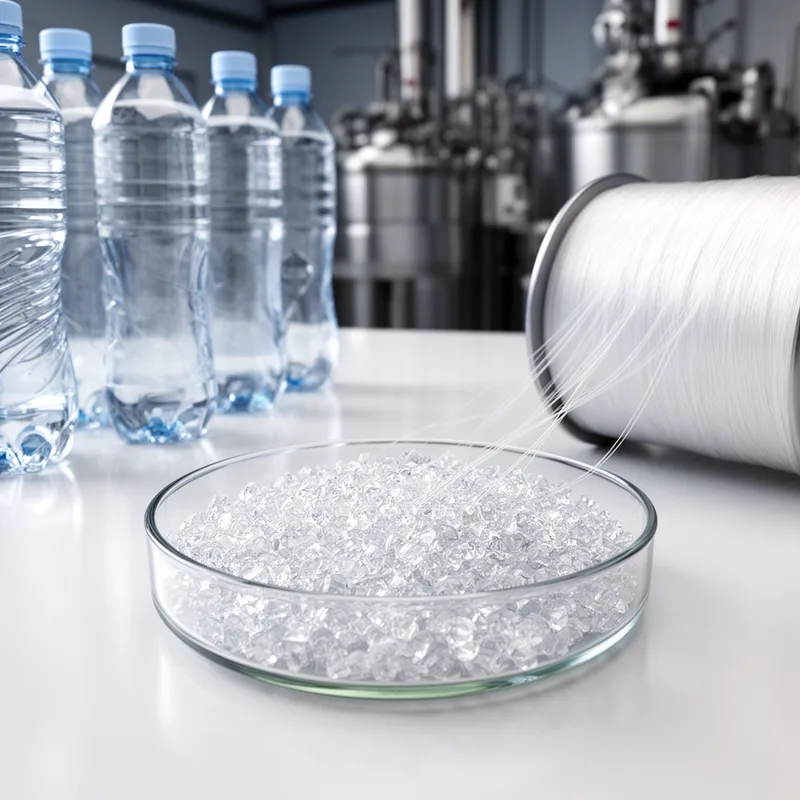
Polyethylene terephthalate is widely used in the production of plastic bottles and containers.
-
Recycling programs often focus on collecting terephthalate bottles to reduce plastic waste.
-
The clothing industry is increasingly using fabrics made from recycled terephthalate materials.
Surface Forms
Morphology
terephthalate = terephthalic (opaque) = terephthal + ate
This is a specialized chemical formation from the technical stem 'terephthalic' plus the salt/ester suffix '-ate', so the meaning is not recoverable for an average learner.
Etymology
Terephthalate names a 'salt or ester' of terephthalic acid, with the ending -ate showing that chemical link. That's why common plastics like polyethylene terephthalate (PET) are called terephthalates, because the material is made from those chemical parts.

