
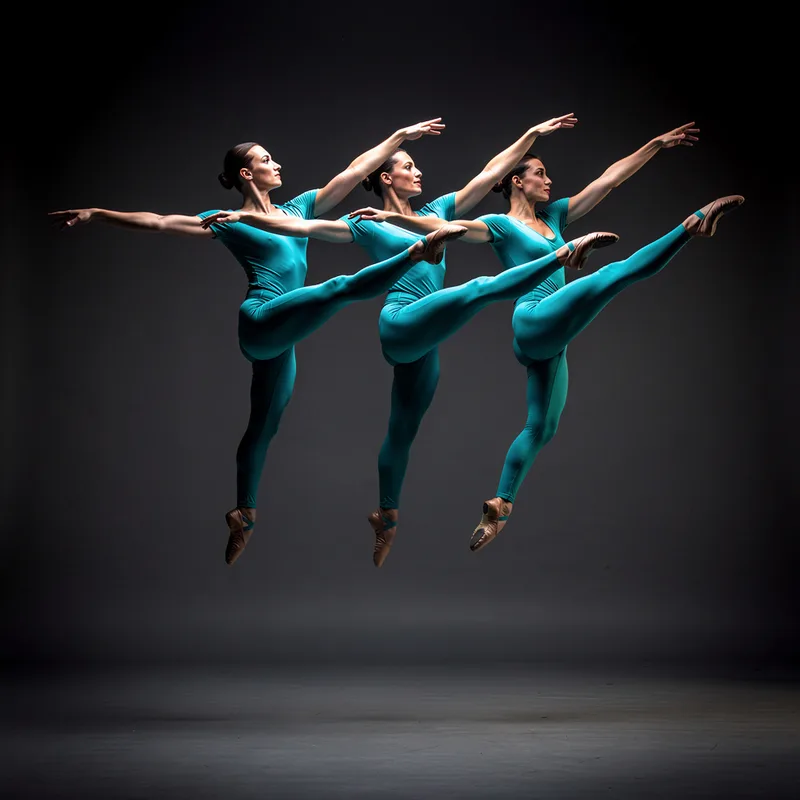
synchronization
 12
4.7
12
4.7

- noun
- /ˌsɪŋkrənaɪˈzeɪʃən/
- US
- The first iteration of the scene serves to depict the illusory synchronization of the nation's story with the personal one.
- unit synchronization
- synchronization variable
- synchronization of motor
Loading YouTube…
Watch on YouTubeBut what you can do is of course you can simulate the synchronisation on the classical level.
- But what you can do is of course you can simulate the synchronisation on the classical level.
- So that resulted in fast downloads, responsive web browsing and fast cloud synchronization.
- There is also evidence both for and against chemical signaling between females in terms of synchronization of menstrual cycles.
- And when I read his research on synchronization, it blew my mind.
- An example which has known has been known for many years is the synchronization.
- There's this synchronization, the psychic union going on, and the person has tears of joy rolling down their face.
Examples
-
There is evidence for a relatively greater neural synchronization in gifted subjects.
Academic text (2008) -
EEG analysis shows complete coherent and synchronization of brainwave activity from both subjects.
-
And so a lot of what that process is about is the synchronization of these two views of what is a couple.
-
For this synchronization exercise we have to fully concentrate... ...as we both have to press play at exactly the same time.
-
The more relaxed the muscles, the better the synchronization between mind and body.
-
Both student and teacher benefit from this synchronization of instruction and evaluation.
Academic text (1996) -
In order to avoid redundancy and synchronization problems, updates are made first to the global database.
Academic text (1992) -
They're claiming we've got a synchronization problem.
-
The NTSC monochrome video signal contains both brightness and synchronization information, a combination known as composite video.
Academic text (1999) -
The new technology will enable greater synchronization of traffic lights, even across city and county lines.
Synonyms
 265
2.8
265
2.8
Two or more people act or speak at the same time
 2
6.7
2
6.7
A situation when events happen at the same time
 2
8.1
2
8.1
Two or more events happening at the same time
 1
7.9
1
7.9
Two or more things happening at the same time


 1
6.7
1
6.7
Perfect timing when people or machines move together
 1
7.2
1
7.2
Two or more things happening at the same time
 1
9.7
1
9.7
Happening at the same time as something else

Making things happen at the same time
The state of events or actions happening at the same time

A state of things happening at the same time

Two or more things happening at the same time

The fact of existing or happening at the same time as something else
Antonyms

- Specialized
A state when things that should happen together do not happen at the same time

Compounds

How Synchronized

Surface Forms
Morphology
synchronization = synchronize (transparent) = synchron + ize + ation
Formed by adding a nominalizing suffix to the verb 'synchronize', so the meaning 'the process/state of synchronizing' is directly predictable.
Etymology
The word synchronization comes from the parts syn- 'together' and chronos 'time', the same root you see in chronology, which is about the order of events in time. So, synchronization means making things happen 'together in time', which is why we use it for matching clocks, audio and video, or dancers moving at the same time.