
superoxide
 1
8.2
1
8.2

- noun
- /ˈsuːpərˌaɪkaɪd/
- Specialized
 :
superóxido
:
superóxido
- In both cell systems, gentamicin amplified the production of superoxide radicals and hydrogen peroxide.
- superoxide dismutase
- mitochondrial superoxide
- superoxide anion
Examples
-
The presence of superoxide can lead to oxidative stress in biological systems.
-
Superoxide is produced during the metabolism of oxygen within cells.
-
Perhaps the most common free radical produced by the body is the superoxide radical, produced from oxygen during its metabolism.
Academic text (1992) -
The superoxide radical is converted to hydrogen peroxide by superoxide dismutase.
Academic text (2017) -
The very machinery the mitochondria use to produce energy and consume oxygen also leaks electrons, producing superoxide and other toxic free radicals.
Academic text (2001) -
Phagocytes utilize the cytotoxic effects of reactive oxygen species, such as superoxide, hydrogen peroxide, and the highly toxic hydroxyl radical.
Academic text (2017) -
The mechanism of antioxidants includes the activation of defense enzymes such as glutathione peroxidase, superoxide dismutase, and catalase, which are responsible for ROS scavenging.
Academic text (2008) -
Researchers are studying how superoxide interacts with other free radicals in the body.
Synonyms

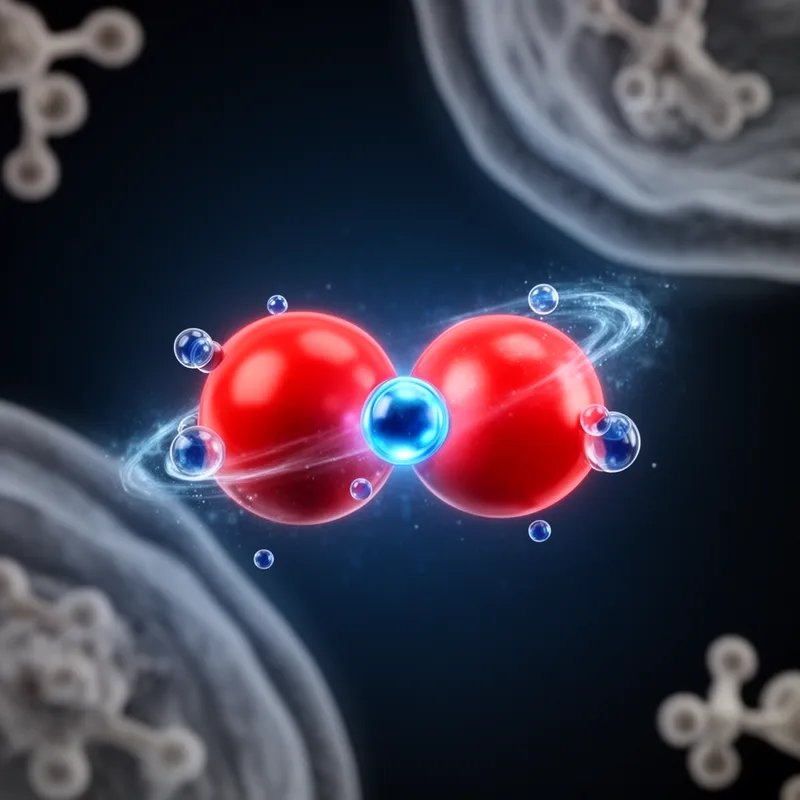
An oxygen molecule with an extra electron that can damage cells
Compounds

- Specialized
A protein in cells that turns harmful superoxide into oxygen and hydrogen peroxide
Surface Forms
Morphology
Etymology
Superoxide comes from super- meaning 'extra' and oxide, from oxygen, the gas we breathe. So a superoxide is like an 'extra' form of oxygen with one extra electron, and that is why it acts strongly in chemistry and in the body.