
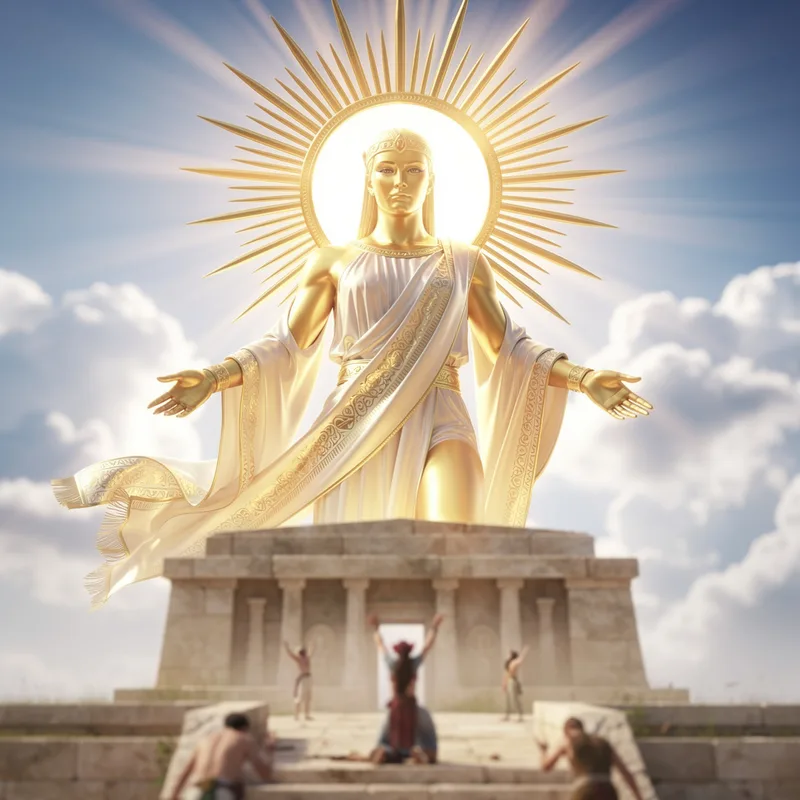
sun god
 6
7.2
6
7.2

- noun
- /sʌn ɡɑd/
- Literature
- Here, archaeologists stand on a platform that was once part of a complex dedicated to the worship of the sun god.
Loading YouTube…
Watch on YouTubeSo Helio meaning the sun is in Helios, the sun God in Greek.
- So Helio meaning the sun is in Helios, the sun God in Greek.
- Opening one inside was an insult to the sun God.
- And the job of the priests was to call on the rain gods and the sun gods and all the spirits to to make good growing seasons.
- Now he is nothing, nobody less than the sun God himself.
Examples
-
With each new dawn, I see the sun god rise on the far bank of the Nile.
-
He thinks the sun god will protect him.
-
Now he is nothing, nobody less than the sun God himself.
-
The sun god is a patron of Troy, our enemy.
-
I am the descendant of Ra, the sun god.
-
They were symbolic imitations of the sun god, placed at the center of temples dedicated to him.
Academic text (1993) -
Scientists, scanning their computers, estimate that 130,000,000 sun-dried adobe bricks went to build this temple to the sun god.
Fiction book (1991) -
As one example, thousands of years before the birth of Jesus, the Egyptians worshiped the sun god/sky god they named Horus, a god of divine origin who was "born" during the winter solstice.
Blog text (5) -
The major deity most frequently represented in catalogues of Old Babylonian cylinders is the sun god Shamash, shown ascending with his saw with which he cuts decisions.
Academic text (1993) -
The ancient Egyptians built temples to honor the sun god Ra.
Synonyms
 58
9.9
58
9.9
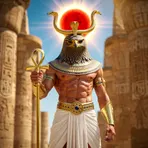
An ancient Egyptian sun god often shown with a hawk's head
 46
9.8
46
9.8
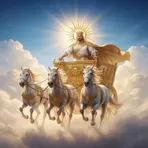
A Roman god who stands for the sun and daylight
 5
9.0
5
9.0
The ancient Greek sun god who drives his chariot across the sky
 2
9.9
2
9.9
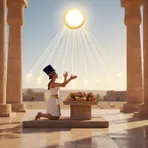
The sun god that Pharaoh Akhenaten made the only god in ancient Egypt
 2
9.9
2
9.9
An ancient Egyptian sun god who travels across the sky
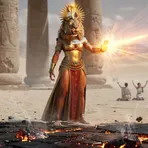 1
9.9
1
9.9
Egyptian goddess with a lion's head who represents the sun's power to destroy
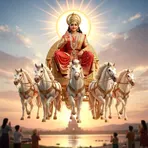 1
9.5
1
9.5
A Hindu god who is the sun and gives light and warmth
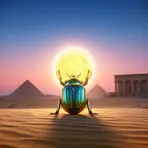 1
9.9
1
9.9
An ancient Egyptian god shown as a scarab beetle who renews the sun each morning
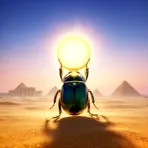 1
9.9
1
9.9
A god of the morning sun in ancient Egypt who often appears as a beetle
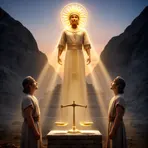

 1
9.9
1
9.9
The sun god in ancient Sumerian stories who brings light and fairness
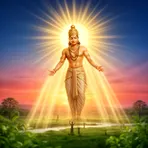 1
9.9
1
9.9
A major Hindu god of the sun who gives life
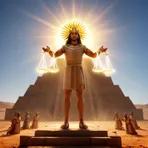
A Sumerian sun god who brings light and justice

A powerful ancient Egyptian sun god seen as creator and ruler of the gods
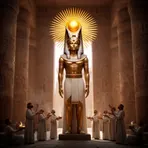
An Egyptian sun god formed by joining Amun and Ra, worshipped as the main god in Thebes
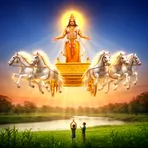
A Hindu sun god often shown riding across the sky and praised for giving life
Surface Forms
Morphology
The meaning 'a god associated with the sun' is directly and compositionally built from the constituents 'sun' (the star) and 'god' (a worshipped supernatural being), so a learner who knows both words can infer the compound meaning. This compound is also cross-linguistically common (e.g., Spanish 'dios del sol', French 'dieu du soleil', Japanese '太陽神'), reinforcing its transparency for B1 learners.
Etymology
Sun god comes from a simple picture: ancient people watched the bright, life-giving sun and imagined it as a powerful god. So 'sun god' means a god who 'represents' or is connected to the sun.