
stinkiness

stinkiness

1 4.3
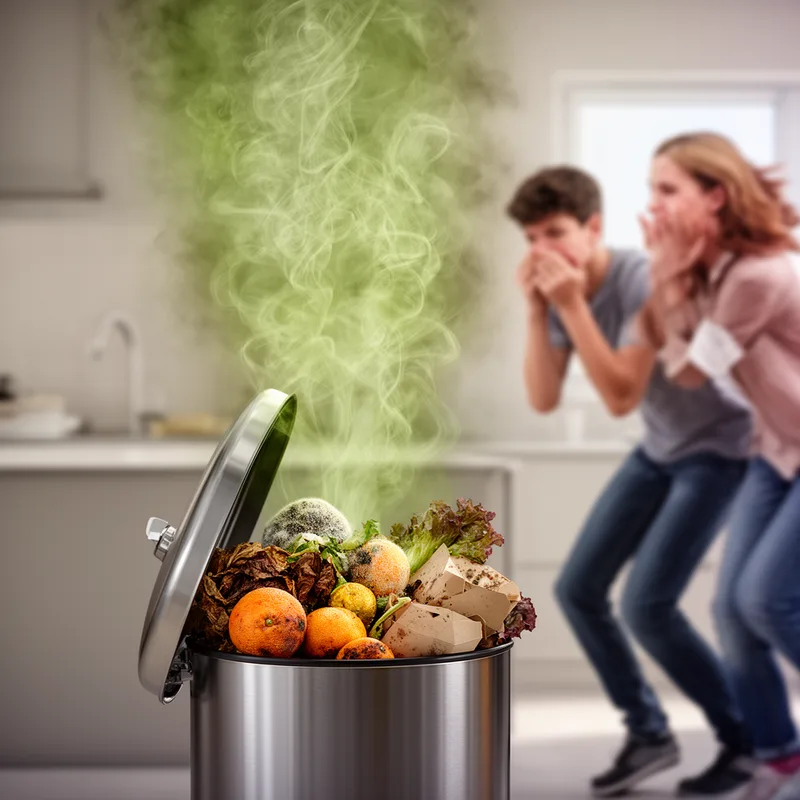
A strong unpleasant smell that makes people move away
  • noun
  • /ˈstɪŋkɪnəs/
translation icon : hedor
  • The same sort of explosive stinkiness and even beyond, They're all foreign to a cat's evolutionary biology.

Examples

  • The stinkiness of the garbage made it difficult to walk past the alley.

  • If you are embarking on one of them, there is something grand enough ahead that makes the stinkiness worth it.

    Blog text (25)
  • Comic fans smell up comic shops with their human stinkiness.

    Blog text (17)
  • After the rain, the stinkiness of the wet dog filled the entire room.

  • His shoes were left out in the sun, and now their stinkiness is unbearable.

Synonyms

odor
vsstinkiness
  • US
145 1.9

A strong or noticeable smell, often unpleasant like smoke

specifies the unpleasant and strong quality rather than any smell
stench
vsstinkiness
80 3.5

A very bad strong smell that makes you feel sick

covers strong unpleasant smells more generally rather than extreme cases
musty smell
vsstinkiness
2 3.4

A bad, stale smell from damp or old things

is the wider label for any strong unpleasant smell not only damp ones
fishy smell
vsstinkiness
2 2.6

A strong unpleasant smell like fish

is the general term for any strong unpleasant scent rather than fishy ones
pungent smell
vsstinkiness
1 3.3

A strong sharp smell that makes your eyes water

is about general unpleasant smell without stressing sharpness
rankness
vsstinkiness
1 9.0

A very strong bad smell that makes you feel sick

is the broader neutral label for any strong unpleasant smell
foulness
vsstinkiness
1 7.2

A strong, very bad smell from sewage or rotten garbage

is the neutral, general term focusing on strength and badness
mustiness
vsstinkiness
1 7.2

A stale, slightly moldy smell or taste in old damp things

is more general and covers strong unpleasant smells of many kinds
musty air
vsstinkiness
1 4.2

Air that smells stale and damp in a closed room

refers to strong unpleasant smells in general rather than dampness only
fetidness
vsstinkiness
8.4

A very strong unpleasant smell that makes people feel sick

is the same idea but in more common everyday wording
malodorousness
vsstinkiness
8.9

A strong, unpleasant smell that is easy to notice

expresses that same general quality in simple language
pestilential smell
vsstinkiness
  • Literature
9.4

A very strong bad air that makes you think of rotting things or disease

is similar but may include less extreme bad smells too
whiffy odor
vsstinkiness
  • Informal
7.4

A strong, unpleasant smell that people dislike

is the general quality present whether sudden or constant
unsavoriness
vsstinkiness
  • US
8.8

A very unpleasant taste or smell that makes you reject food

focuses only on smell rather than taste or broad unpleasantness
acridness
vsstinkiness
8.1

A strong, bitter smell or taste that burns the nose

is the broader sense of any strong unpleasant smell not just bitter
yucky smell
vsstinkiness
  • Informal
5.6

A strong, nasty smell like rotten food that makes you feel sick

is the neutral descriptive term used by all speakers
fustiness
vsstinkiness
8.6

A stale, musty smell in a room or object

focuses purely on strong unpleasant smell without the oldness aspect
dank smell
vsstinkiness
5.1

An unpleasant damp smell in places like basements or cellars

is the broader unpleasant smell idea not limited to damp causes
moldiness
vsstinkiness
  • US
6.8

A bad, stale smell or taste on food and in rooms that shows rot

is the general unpleasant smell quality, not only mold related

Antonyms

15 1.0

The state of being new and clean, not stale or spoiled

4 1.0

A pleasant smell like flowers or fresh bread

How Smelly

stench
80 3.5
reek
8 6.1
stinkiness
1 4.3
odor
  • US
145 1.9
smell
605 1.0

Surface Forms

stinkiness singular
stinkinesses plural

Morphology

stinkiness = stinky (transparent) = stink + y + ness

A straightforward nominalization of the adjective 'stinky' using the productive suffix '-ness', and 'stinky' itself is transparently derived from 'stink' + '-y'.

Etymology

The word stinkiness comes from the simple verb stink, which means 'to give off a bad smell'. The ending -ness turns a verb or adjective into the 'state or quality' of something, just like happiness names the 'state' of being happy, so stinkiness is the condition of having a strong, unpleasant smell.