
acridness
- noun
- /ˈækrɪd.nəs/
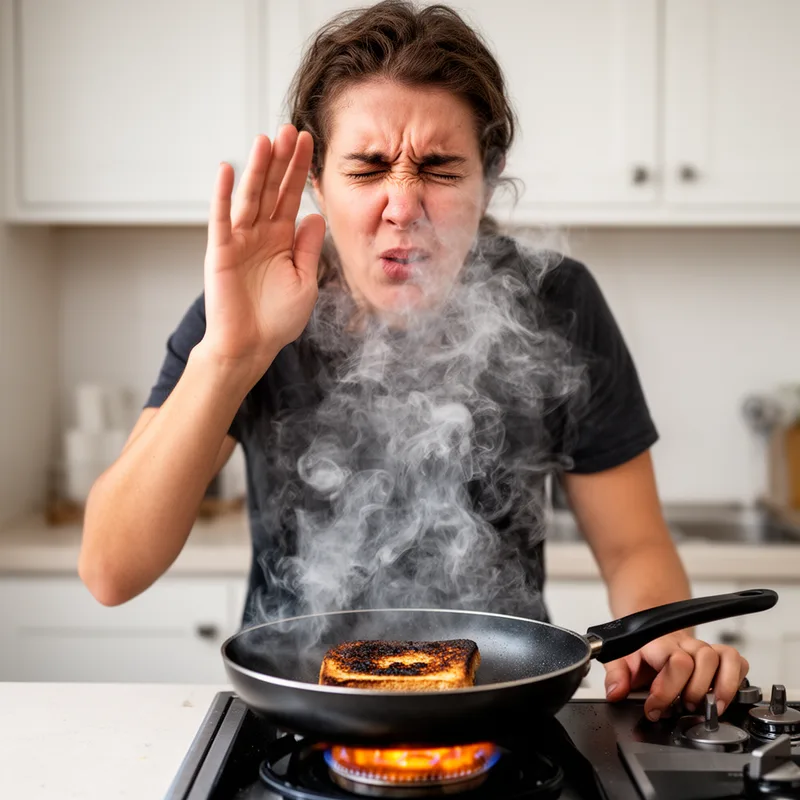
- I couldn't stand the acridness of the burnt food.
Examples
-
The acridness of the smoke lingered long after the fire was out.
-
The acridness of the chemicals in the air made it hard to breathe.
-
She wrinkled her nose at the acridness of the burnt toast.
-
The acridness of the smoke made it hard to breathe.
-
The acridness of the smoke made her eyes water as she tried to breathe.
-
He could hardly eat because of the acridness of the burnt food lingering in the air.
-
Her nose twitched at the acridness of the chemicals in the air after the spill.
Synonyms

 80
3.5
80
3.5

A very bad strong smell that makes you feel sick
 9
2.6
9
2.6
A sharp unpleasant taste found in foods like black coffee
 1
3.3
1
3.3
A strong sharp smell that makes your eyes water
 1
7.0
1
7.0
A strong sharp taste or smell that makes your eyes water
 1
2.9
1
2.9
A strong, biting taste or smell that stings the nose


 1
7.2
1
7.2
A strong, very bad smell from sewage or rotten garbage
 1
4.3
1
4.3
A strong unpleasant smell that makes people move away
 1
9.0
1
9.0
A very strong bad smell that makes you feel sick

A strong sharp taste or smell that feels unpleasant

A strong, sharp taste or smell that can be unpleasant for some people

A sharp, sour taste that makes your mouth pucker

A bad taste that makes you not want to eat something

A quality of food or drink that tastes bad

A very unpleasant taste or smell that makes you reject food

A strong, unpleasant smell that is easy to notice

A very strong bad air that makes you think of rotting things or disease
Antonyms

How Acrid

Surface Forms
Morphology
Etymology
Acridness comes from the Latin root acer meaning 'sharp' or 'bitter', the same idea you see in acid. So acridness describes a strong, bitter taste or smell that makes you cough or wrinkle your nose.