

unpalatableness
- noun
- /ʌnˈpælɪtəblnəs/
- The unpalatableness of the medicine made it difficult for the child to swallow.
Examples
-
He complained about the unpalatableness of the overcooked fish at the restaurant.
-
Some vegetables are avoided by children because of their perceived unpalatableness.
-
The unpalatableness of the dish made it difficult to enjoy the meal.
-
Many people commented on the unpalatableness of the new flavor.
-
He complained about the unpalatableness of the overcooked fish at the restaurant.
-
The unpalatableness of the medicine made it difficult for the child to swallow.
-
Some vegetables are avoided by children because of their perceived unpalatableness.
Synonyms

 17
4.2
17
4.2

A feeling of discomfort or dislike
 7
6.0
7
6.0
A very unpleasant quality that makes people feel bad
 1
6.5
1
6.5
How gross or unpleasant something is


 1
7.0
1
7.0
A strong feeling of disgust that makes you want to move away
 1
9.1
1
9.1
A strong feeling that something is very unpleasant or disgusting

A bad taste that makes you not want to eat something

A very unpleasant taste or smell that makes you reject food

A quality of food that makes people not want to eat it

A strong feeling of disgust caused by a bad taste, often from food or drink
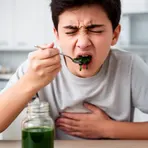
A strong feeling that makes you feel sick because of a bad taste or smell

Being unpleasant or offensive and making people feel dislike

How bad something looks, sounds, or smells to you
Antonyms

How Tasty

Surface Forms
Morphology
unpalatableness = unpalatable (transparent) = un + palatable + ness
Clear noun formation from 'unpalatable' describing the state of being not acceptable to taste.
Etymology
Unpalatableness comes from un- ('not') and palatable, which comes from palate, the roof of the mouth and a word used for 'taste'. So its literal meaning is food or drink that is 'not pleasant to taste', something hard to swallow or enjoy.