
sterol
 1
7.6
1
7.6

- noun
- /ˈstɛrɒl/
- Specialized
- In the study reported here, many sites had a sterol ratio significantly greater than 0.06, representing impact from large point sources.
- sterol concentrations
- total sterols
- sterol compounds
Loading YouTube…
Watch on YouTubeSo there's four key components of this portfolio and these are soy protein, plant sterols, tree nuts and soluble fibre.
- So there's four key components of this portfolio and these are soy protein, plant sterols, tree nuts and soluble fibre.
- And so when we measure those levels, we know that it speaks to how much plant sterol is being absorbed and not being excreted.
Examples
-
So what happens is somehow when you have low sterols and we're going to look at the model for how this happens.
-
Identification of sterol compounds, as well as measurement of other pollutants, may provide information regarding pollution sources.
Academic text (2006) -
So you need to have a sterol here and this is the sterol sensitive domain.
-
Feces from different animal species were also analyzed to provide reference sterol profiles.
Academic text (2006) -
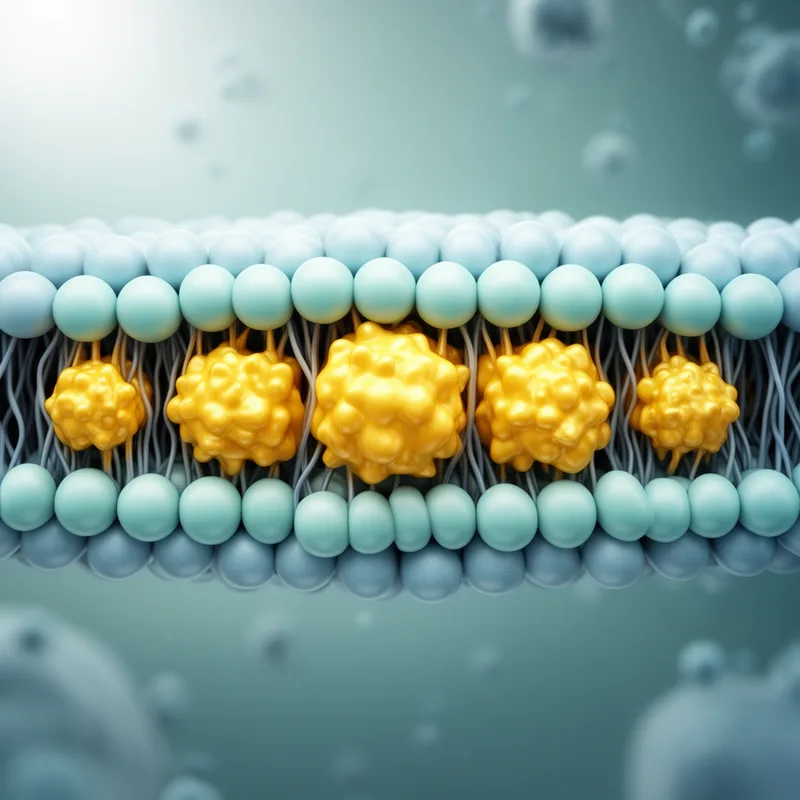
In human and animal cell membranes, cholesterol is the major sterol constituent.
Academic text (2006) -
Sterol profiles differ considerably among animals, and the study distinguished sterol profiles within stream sediments.
Academic text (2006) -
The digestive biota of pigs and humans are similar, and the observed fingerprint pattern of sterols is also similar.
Academic text (2006) -
Sitosterol and cholesterol are the predominant sterols in raw feces.
Academic text (2006) -
The concentration of target sterols observed in sediments ranged from undetectable (no sterol peak observed) to 74 mg/kg.
Academic text (2006) -
Research indicates that dietary sterols can play a role in reducing cholesterol levels.
Synonyms

A waxy chemical in animals and plants with a small alcohol part, for example cholesterol
Surface Forms
Morphology
sterol = steroid (semi-transparent) = ster + ol
The suffix '-ol' transparently indicates an alcohol to learners with basic chemistry knowledge, but the root 'ster' is a technical combining form unfamiliar to average learners.
Etymology
Sterol comes from the old root stear- meaning 'fat' or 'tallow' and the ending -ol meaning 'alcohol'. So a sterol is literally a 'fat alcohol', which fits its modern meaning as a waxy, fat-like alcohol in cells such as cholesterol.