

to spurn
 26
7.7
26
7.7

- verb
- /spɜrn/
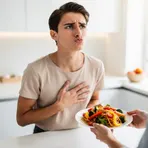
- Despite his talent, many critics spurned her latest novel, calling it unoriginal and predictable.
- spurned an offer
- spurned helpers
- spurned advice
Loading YouTube…
Watch on YouTubeRussia wanted to cooperate and did cooperate, and we spurn them, or we fail to appreciate Russia's cooperation.
- Russia wanted to cooperate and did cooperate, and we spurn them, or we fail to appreciate Russia's cooperation.
Examples
-
Even the United States, better known for interventions spurned by self-interest than altruism, was compelled to intervene militarily.
Academic text (1993) -
I said you deserve white magic, even if you spurn it.
-
You had your chance, Sir Guy, but you spurned me.
-
American historians who pride themselves on being sophisticated spurn the idea of any kind of objective history.
Academic text (1991) -
Many leaders of civic organizations spurn the entire chieftaincy structure in rural areas
Academic text (1998) -
The world's pity was a bonus that she accepted or spurned as she saw fit.
Academic text (2000) -
Please do remember this moment, and the opportunity so glibly spurned.
-
True to its fickle nature, London society had spurned all things French except for their fashions.
Fiction book (1994) -
Feeling hurt, he left the party when his friends spurned his invitation to join them.
-
She was heartbroken when he spurned her romantic advances in favor of another.
Synonyms
 312
2.9
312
2.9
Refuse an offer, invitation, or request
 57
6.5
57
6.5
To say or do things to show you do not respect someone
 51
5.5
51
5.5
To show dislike and no respect for someone or something
 26
4.6
26
4.6
To avoid someone or something and refuse to meet and speak to them on purpose
 18
7.7
18
7.7
To say no to someone or their offer in a quick rude way
 15
6.4
15
6.4
To treat a person or thing as not worthy of respect
 7
6.3
7
6.3
To ignore someone on purpose to show disrespect
 5
9.5
5
9.5
To treat an idea or opinion as unimportant and not worth taking seriously
 3
7.5
3
7.5
To show you think something is not good enough
 2
7.5
2
7.5
To reject someone quickly and rudely
 1
9.9
1
9.9
To treat someone as unimportant and show strong dislike for them
 1
8.5
1
8.5
Treat someone in a cold way and ignore them to show dislike
Antonyms

How Dismissive
51
5.5
 7
6.3
26
7.7
332
3.0
839
1.9
312
2.9
7
6.3
26
7.7
332
3.0
839
1.9
312
2.9
Surface Forms
Etymology
The word spurn comes from an old English verb spurnan, which meant 'to kick' or 'to push away'. Imagine physically kicking something away, and you can see why to spurn someone today is to reject them with scorn.