
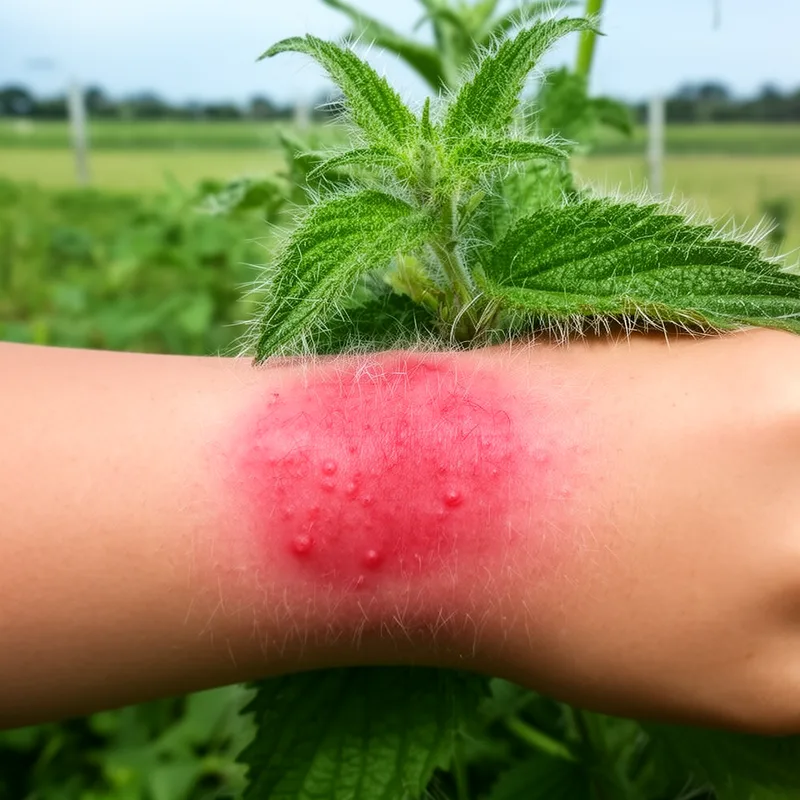
spurge nettle
- noun
- /spɜrdʒ ˈnɛtəl/
- US
- The leaves of the spurge nettle can cause a painful rash if touched.
Examples
-
After brushing against a spurge nettle, she experienced a tingling sensation on her skin.
-
Farmers often warn children to stay away from spurge nettle growing near the fields.
-
The spurge nettle can be found in tropical regions.
-
Watch out for the spurge nettles when hiking!
-
After brushing against a spurge nettle, she felt a painful sting on her skin.
-
The leaves of the spurge nettle can irritate your skin if handled carelessly.
-
Children are warned to avoid touching spurge nettle in the garden due to its stinging hairs.
Synonyms
 9
5.5
9
5.5

A plant with hairs that sting and make your skin hurt when you touch it

 1
4.6
1
4.6
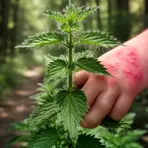
A plant with leaves that have tiny hairs which make your skin feel hot and sore when touched
A plant from tropical America with tiny hairs that sting your skin

A tropical plant with stinging hairs that make the skin hurt
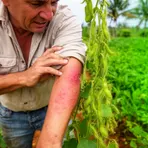
A stinging plant from tropical America that makes your skin itch when touched
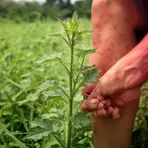
A tropical herb with stinging hairs that irritate the skin

A plant with tiny hairs that sting your skin
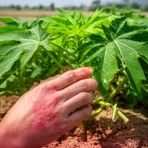
A tropical plant whose sap causes skin irritation when touched
Surface Forms
Morphology
The noun-noun compound combines two plant terms whose meanings (toxic milky-sapped spurges and stinging nettles) directly indicate a plant with irritating/stinging properties. A B1 learner who knows both constituents can infer that 'spurge nettle' refers to a plant species with spurge-like sap and nettle-like stinging hairs, so the meaning is compositional and predictable.
Etymology
Spurge nettle is a compound name that joins two plant words: spurge, a soft leafy herb, and nettle, a plant that 'stings' when you touch it. So the name paints the picture of a spurge-like plant that can 'sting' or 'cause a rash' on your skin.