
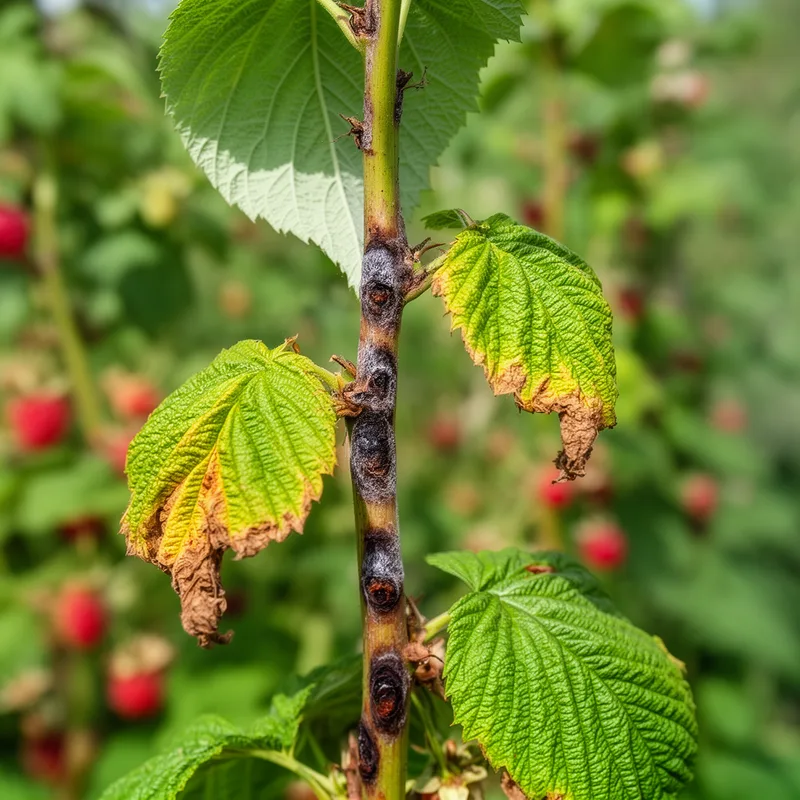
spur blight
- noun
- Specialized
- Controlling spur blight requires removing infected canes and improving air circulation in the patch.
Examples
-
Symptoms of spur blight include brownish lesions on the stems near the leaf joints.
-
Raspberry growers fear spur blight because it can significantly reduce crop yield.
-
The garden suffered from spur blight this summer.
-
Farmers are concerned about spur blight affecting their crops.
-
Raspberry growers fear spur blight because it can lead to wilting and dark lesions on the canes.
-
To prevent spur blight, gardeners should ensure good air circulation and monitor for infected canes.
-
Symptoms of spur blight include dark lesions appearing on the canes, especially near the leaf base.
Synonyms
 7
7.3
7
7.3

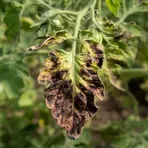
A plant disease that makes leaves and stems die without rotting
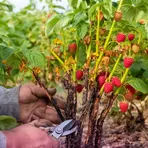
A disease that kills the stems of berry bushes and reduces the harvest

A plant disease where a fungus causes stems to rot and die
Surface Forms
Morphology
The term is directly compositional: 'blight' denotes a plant disease and 'spur' names a part of a plant, so together they indicate a disease affecting the spur. While detailed botanical knowledge about exactly which structure is meant is specialist, a B1 learner who knows both constituents can infer the general meaning (a plant disease localized to the spur).
Etymology
The name spur blight comes from the small fruiting shoots on raspberry stems, called spurs, which the fungus attacks. The word blight means a 'disease' that makes parts turn brown and die, so the name shows this fungus damages the spurs and weakens the plant.