
spring-blooming
- adjective
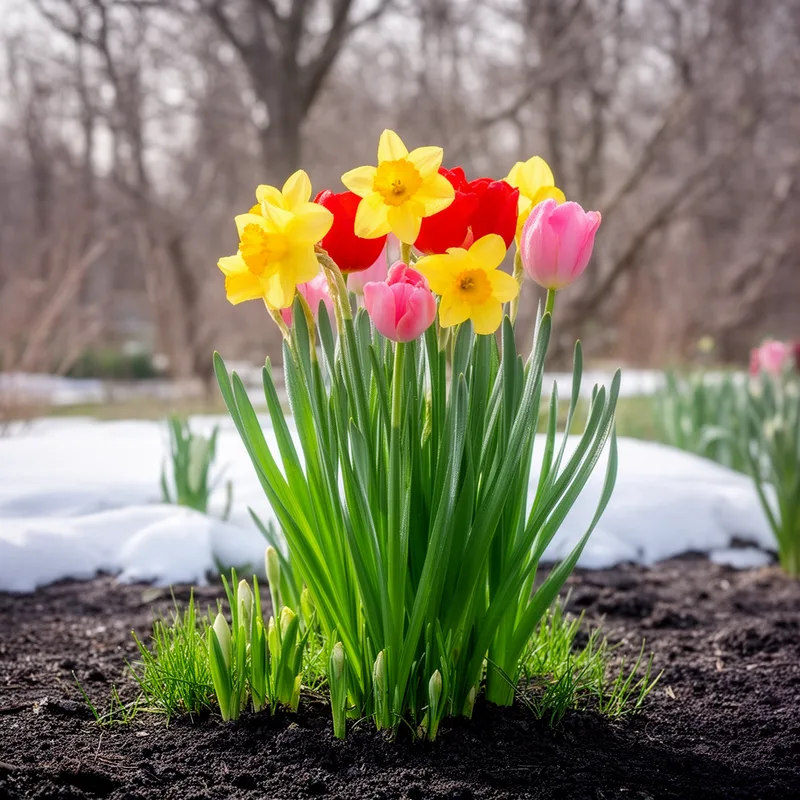
- Daffodils and tulips are popular spring-blooming plants that brighten gardens after a long winter.
- spring-blooming bulbs
- spring-blooming plants
- spring-blooming trees
Examples
-
Beyond affecting the spring-blooming trees that are used for landscaping, the fungus is invading native stands of dogwoods that provide critical food and cover for wildlife.
Academic text (2004) -
That includes the annuals, perennials, spring-blooming bulbs, and the summer-blooming bulbs—and even a healthy dose of weeds.
Blog text (24) -
Many gardeners choose spring-blooming flowers to ensure vibrant colors in their landscapes during the spring season.
-
When planning your garden, consider adding spring-blooming bulbs for a beautiful display in March and April.
Synonyms


 1
3.7
1
3.7
Plants that bloom in spring
 1
3.4
1
3.4
A plant that flowers early in the growing season, often in spring
Plants that produce flowers early in spring

A plant that has flowers in the later part of spring
How Often

Surface Forms
Morphology
Etymology
Spring-blooming joins spring, the season when plants 'come back to life', and blooming, from bloom meaning 'to open into a flower'. So spring-blooming describes a plant that 'flowers' during the spring season.